



OC Kitchen Lab · Ingredient Encyclopedia
Tomato
Juicy, bright, and full of summer flavor
Vegetables
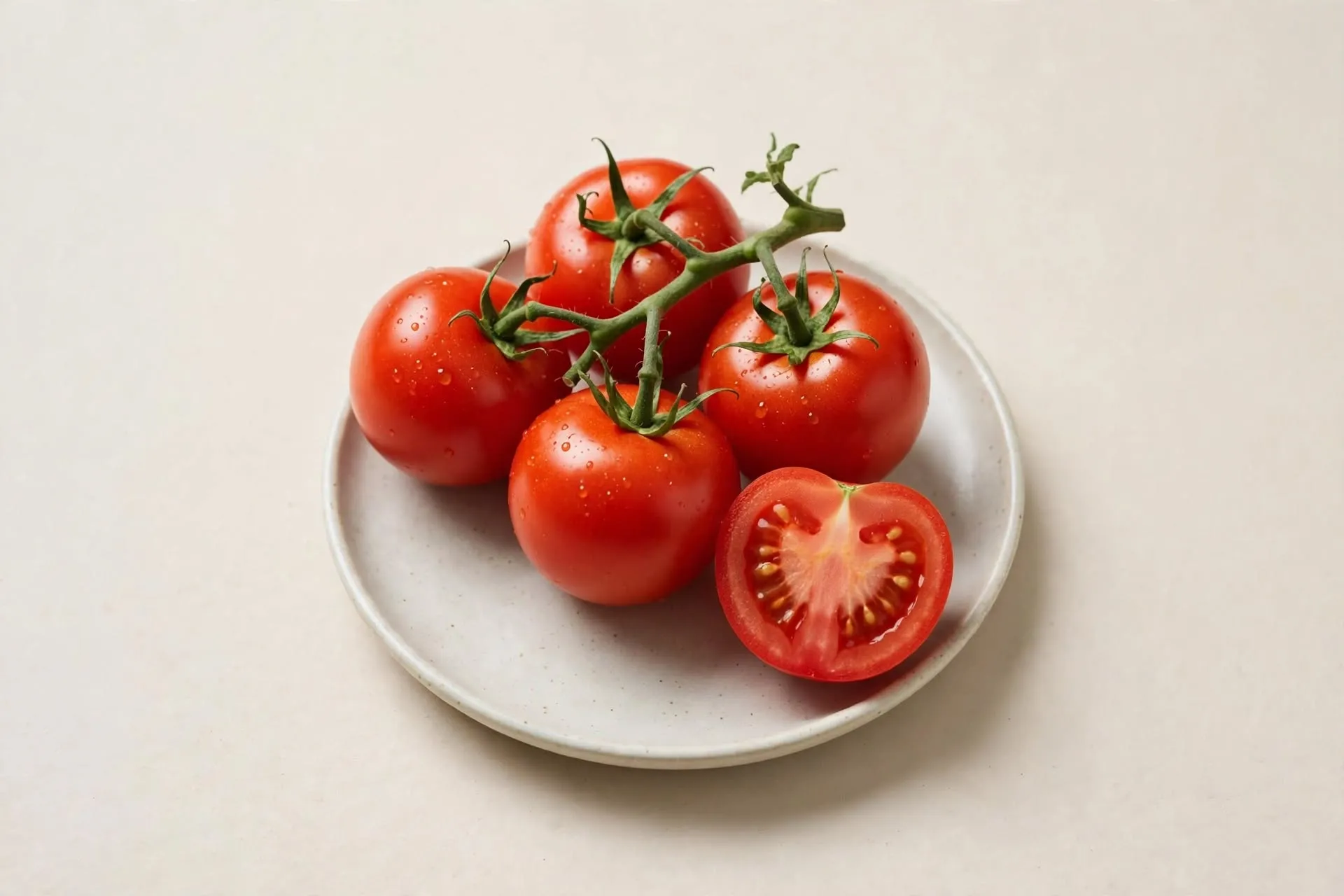
Origin
Originally grown in South America, later spread through Mexico and Europe.
Season
Best in summer and early autumn, when field tomatoes are ripe and fragrant.
Culinary uses
Slice it fresh for salads and sandwiches, or simmer it into sauces until thick and rich. Roast tomatoes until they slump and sweeten, then spoon them over pasta or grilled bread.
Fun fact
A tomato that feels heavy for its size is usually juicier than a lighter one of the same size.
Tomato is juicy and bright, with a fresh sweetness balanced by a light tang. When cooked, it deepens into something richer, thicker, and more savory. It can be the star of a dish or the fresh note that lifts everything around it.
Where it grows
Native originGrowing / production
Native: Ecuador, Peru. Growing: China, India, United States of America.
Variations
- Italy:
- San Marzano – sweet, low acidity, for classic sauces
- Costoluto – ribbed, rich, for salads and sauces
- Cuore di Bue – heart-shaped, meaty, for slicing
- France / Mediterranean:
- Coeur de Boeuf – large, meaty, for salads
- Marmande – soft, early, for salads and cooking
- Noire de Crimée – dark, rich, sweet and smoky
- Spain:
- Raf – firm, green-shouldered, for salads
- Muchamiel – large, sweet, for slicing
- Kumato – dark, sweet, for salads
- Americas:
- Beefsteak – large, meaty, for burgers and slicing
- Brandywine – heirloom, rich, for fresh eating
- Cherokee Purple – dark, smoky-sweet, for salads
Nutrition
Tomato
Basis: 100 g
18 kcalCalories
0.9 gProtein
0.2 gFat
3.9 gCarbs

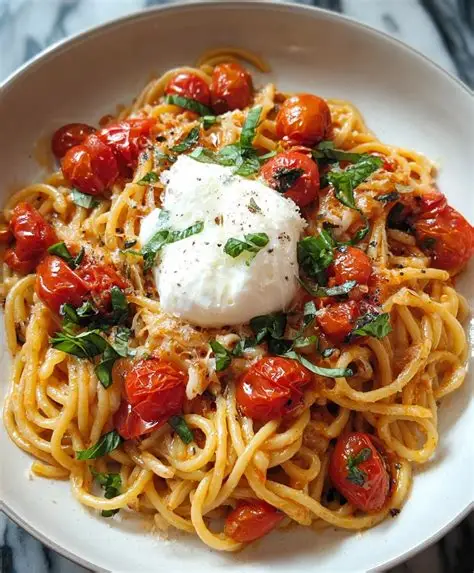 One-Pan Creamy Tomato Pasta with Burrata
 Moussaka (Greek Beef and Eggplant Lasagna)
 Pa amb Tomàquet (Catalan Tomato Bread)
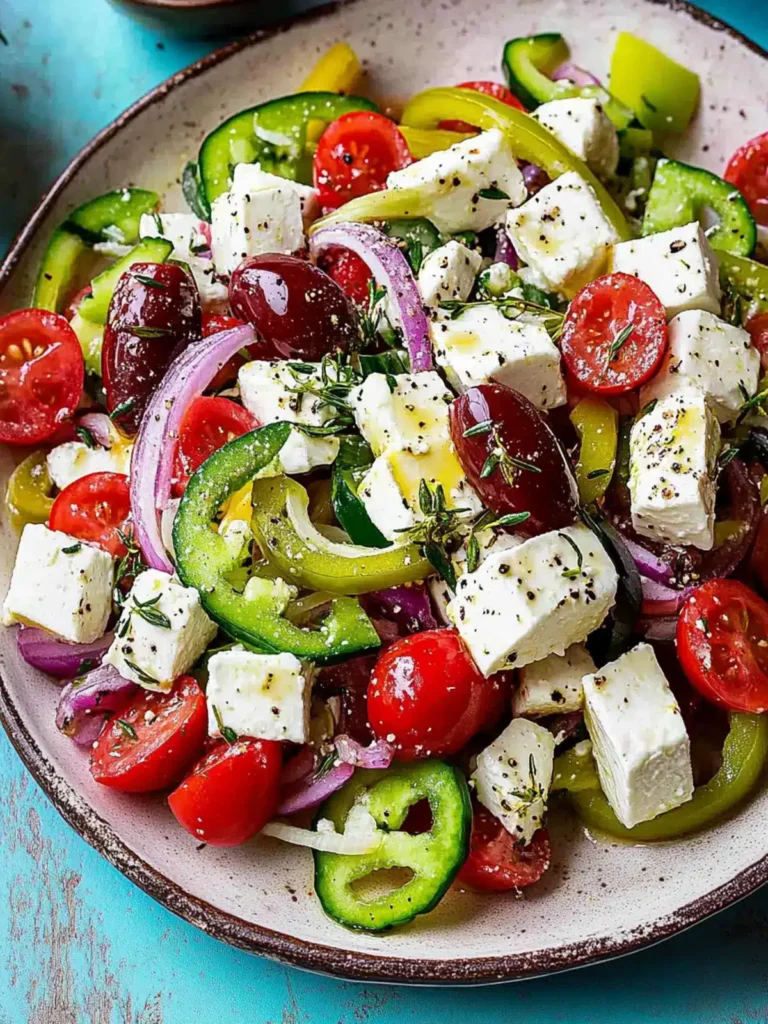 Horiatiki (Traditional Greek Salad)