



OC Kitchen Lab · Ingredient Encyclopedia
Salmon
Rich, silky, and full of flavor
Fish & Seafood
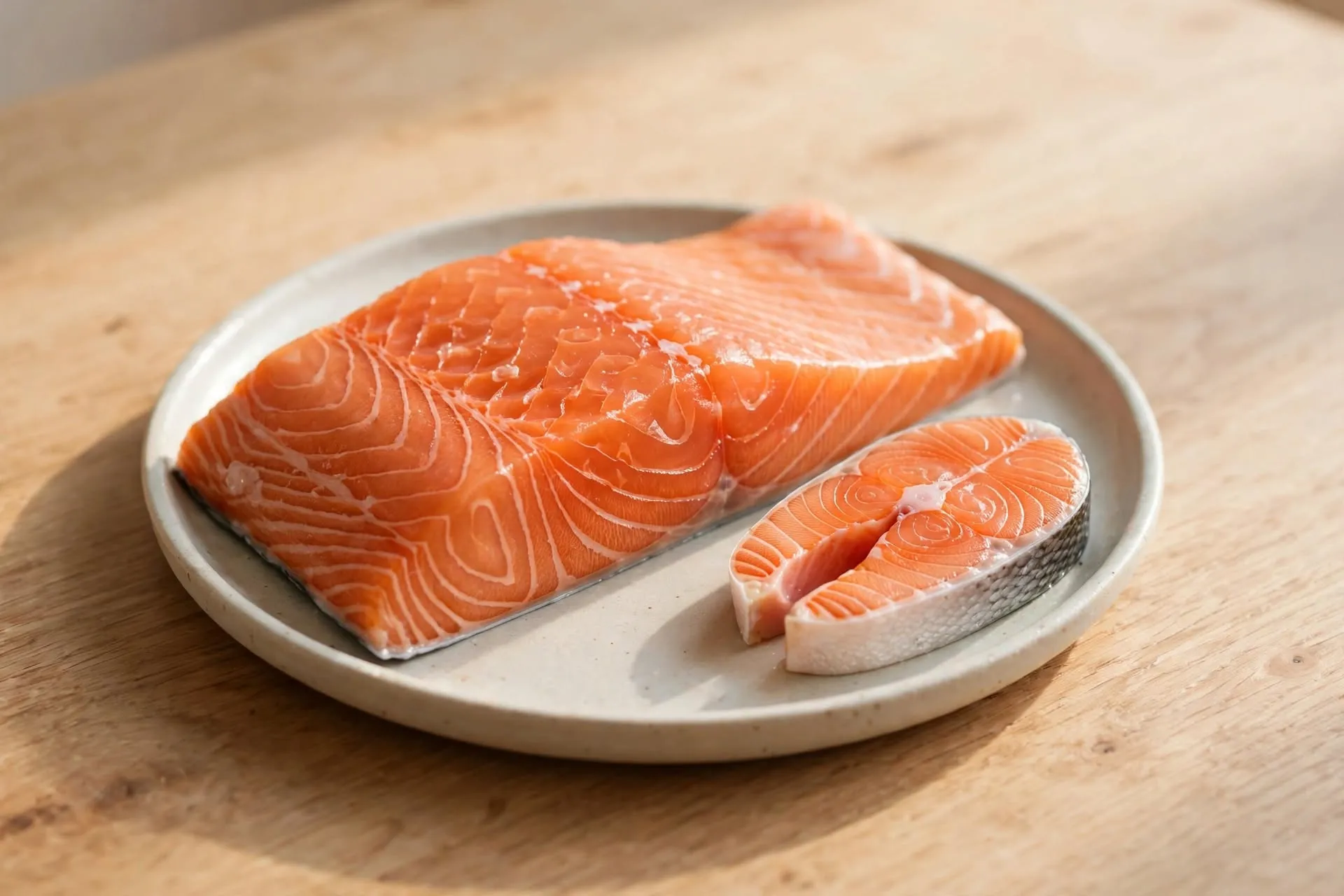
Origin
A cold-water fish, now mostly farmed in northern seas.
Season
Available year-round, farmed salmon has no single season.
Culinary uses
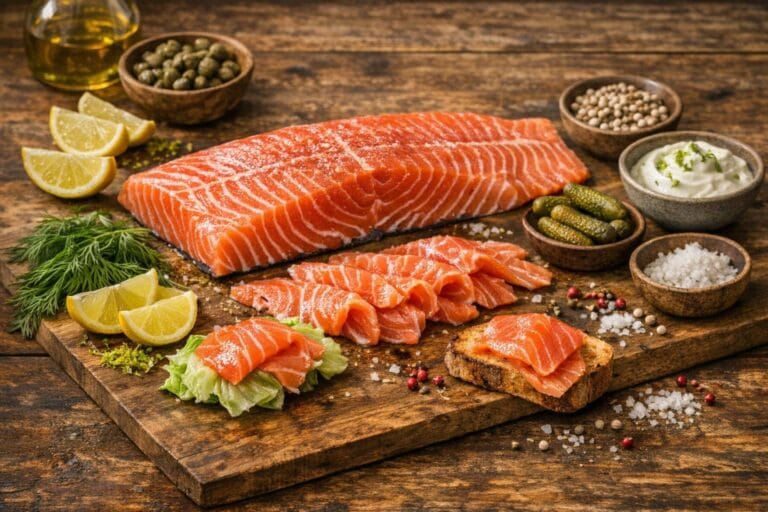
Pan-fry fillets skin-side down until the skin is crisp and the flesh is just soft inside. Bake it gently for a silky texture, or cure it for gravlax with a firm, salty, silky bite.
Fun fact
Salmon is done when it flakes easily but still looks slightly translucent in the center, not dry and white all the way through.
Salmon is rich and silky, with soft flesh and a clean, savory flavor. It cooks quickly and stays moist when you do not overcook it. It works baked, grilled, cured, and smoked, which makes it one of the most useful fish in the kitchen.
Where it grows
Native originGrowing / production
Native: Canada, Iceland. Growing: Canada, Chile.
Variations
- Atlantic – mild, rich, the everyday salmon
- King – buttery, rich, the most luxurious
- Sockeye – deep red, firm, stronger flavor
- Coho – mild, delicate, lighter than sockeye
- Cherry salmon – Japanese masu, delicate and light
- Sake – Japanese salmon, for sashimi and grilling
Nutrition
Salmon
Basis: 100 g
208 kcalCalories
20 gProtein
13 gFat
0 gCarbs
From our kitchen
In our cookbook
4 recipes · 5 % of the cookbook
Mostly inSignatures 2Mains 1Soups 1
Often cooked withSaltDillBlack PepperSugarOnionPeppercorn
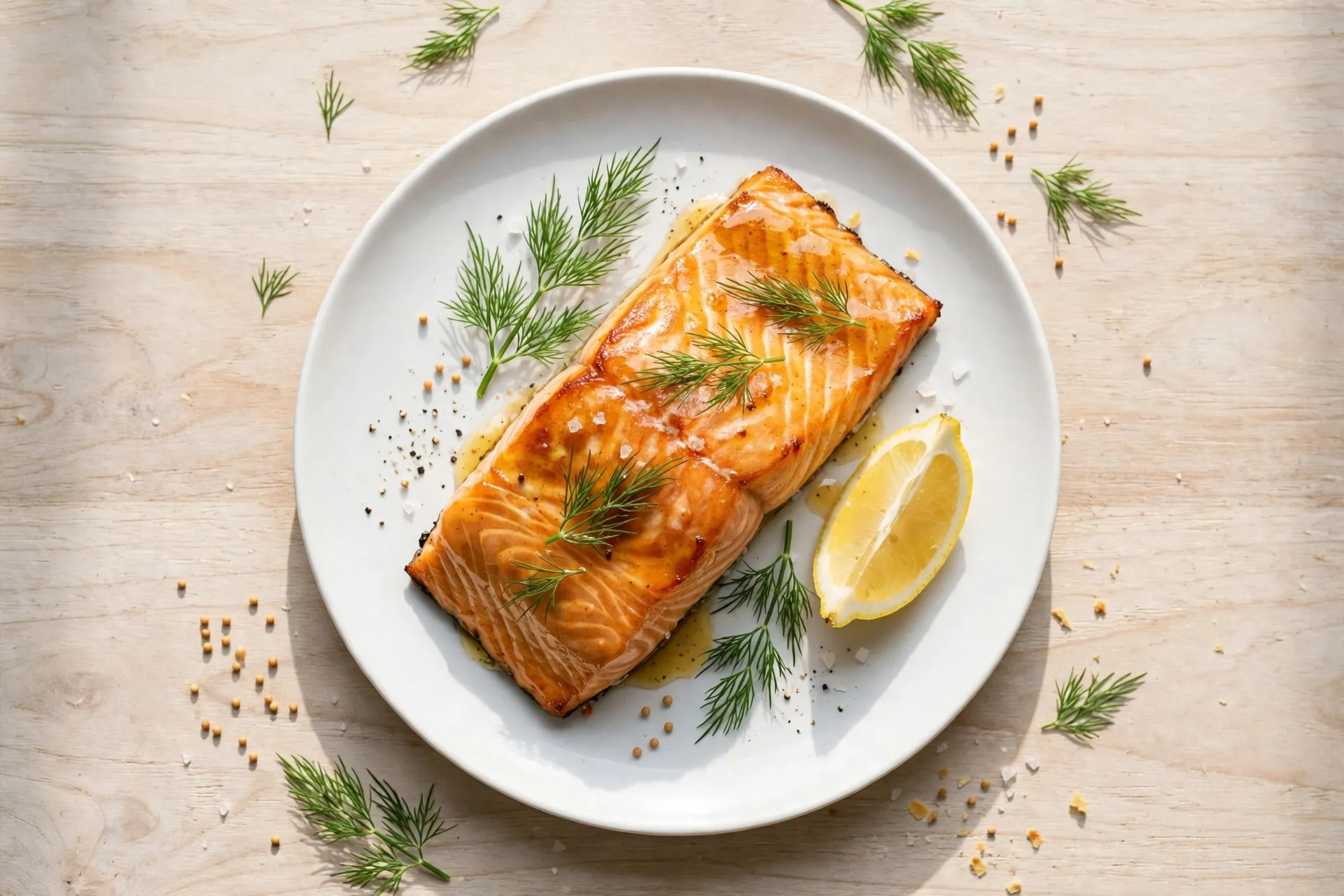 Honey Mustard Glazed Salmon
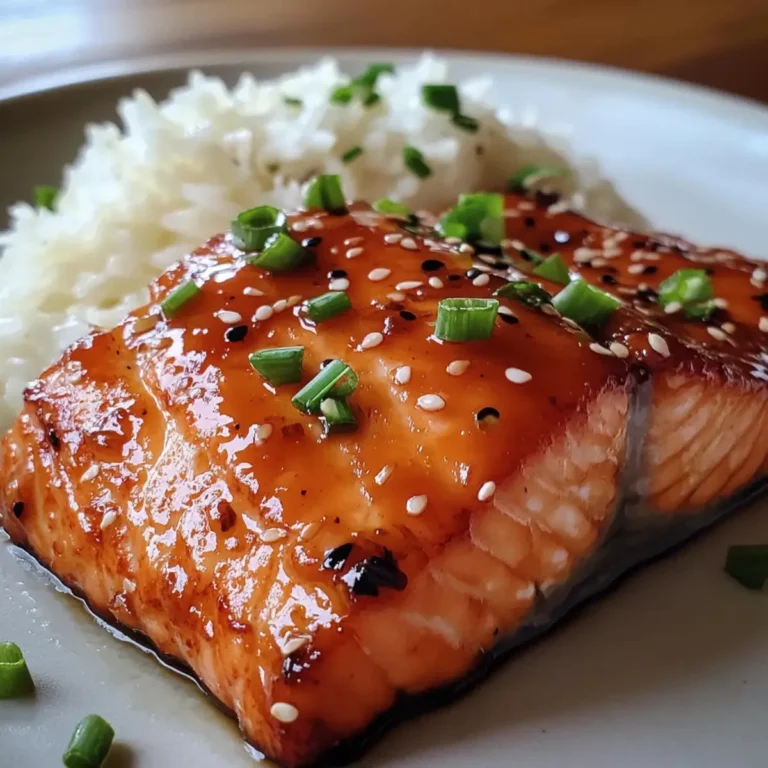 Salmon Teriyaki (Japanese Glazed Salmon with Sesame Rice)
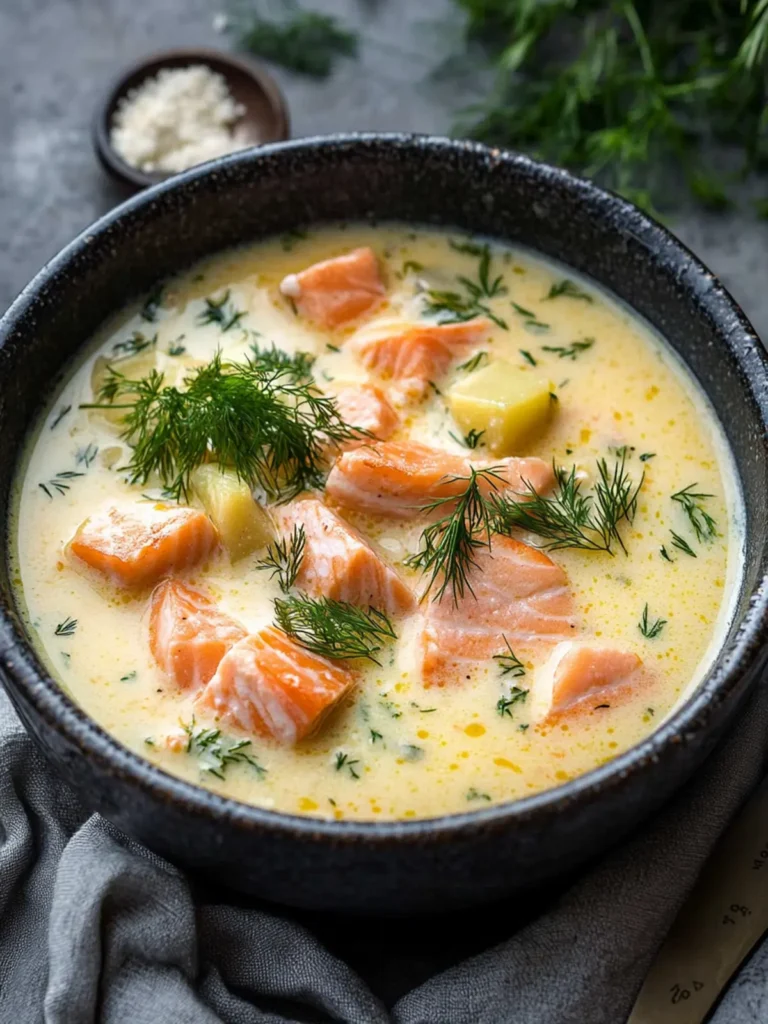 Lohikeitto (Finnish Salmon Soup)