



OC Kitchen Lab · Ingredient Encyclopedia
Mustard
Sharp, tangy, and warm
Pantry
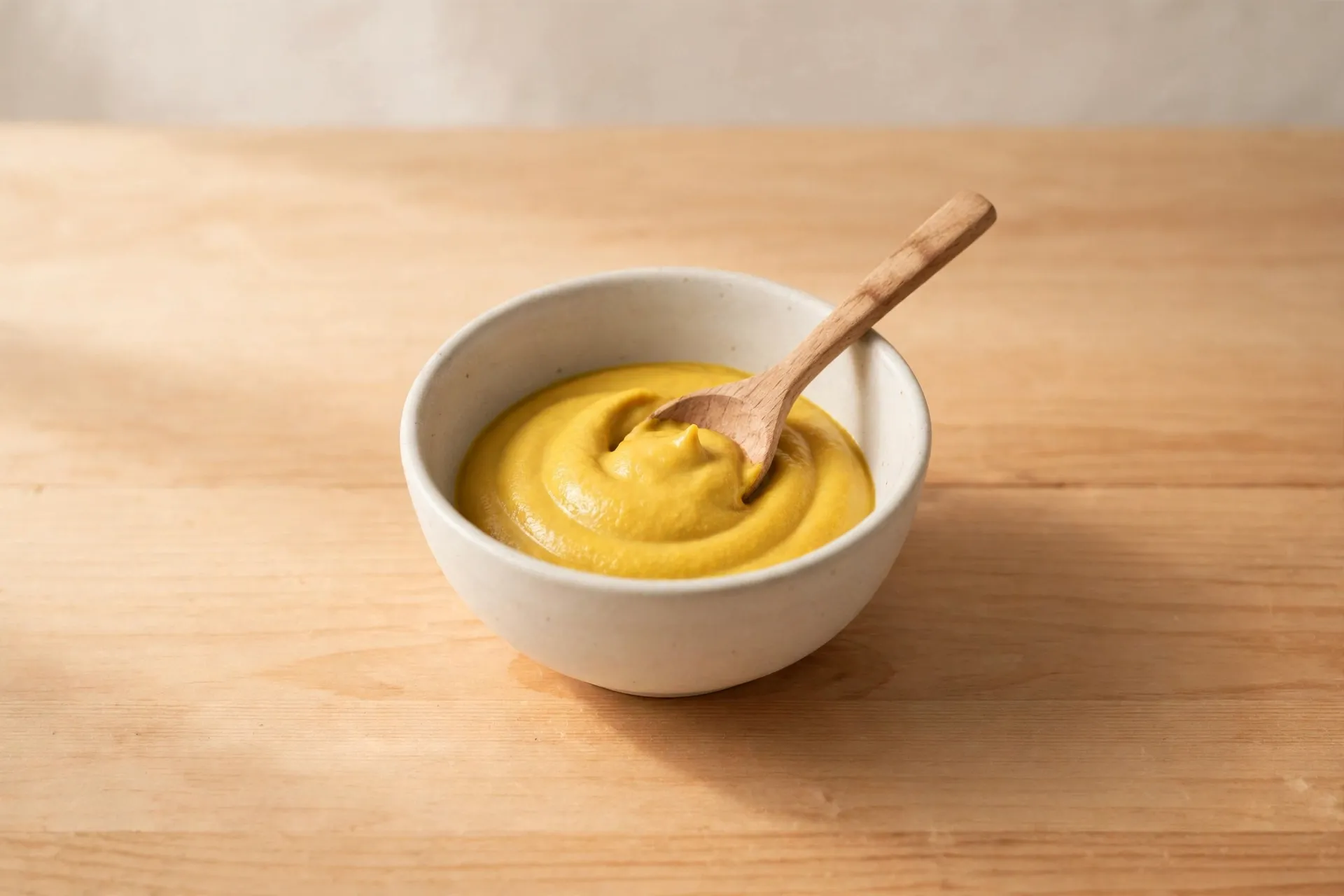
Origin
Made from mustard seeds, used since ancient times.
Season
Available year-round.
Culinary uses
Stir into dressings and sauces for sharpness. Spread on sandwiches and sausages, or whisk into marinades for meat.
Fun fact
Mustard tastes sharper when mixed with cold liquid, and milder with hot liquid.
Mustard is sharp and tangy, with a warm bite that lifts dressings and sandwiches. It can be smooth and mild or grainy and strong. A small spoon adds character without overpowering the dish.
Where it grows
Native originGrowing / production
Native: Egypt, Greece, India. Growing: Canada, Nepal, Russia.
Variations
- Dijon – smooth, sharp, French
- Yellow – mild, bright, American
- Wholegrain – grainy, mild, for sandwiches
- English – very hot, strong, for meat
- Honey mustard – sweet, mild, for dipping
- Spicy brown – bold, for deli sandwiches
Nutrition
Mustard
Basis: 100 g
68 kcalCalories
4.4 gProtein
3.3 gFat
5.9 gCarbs
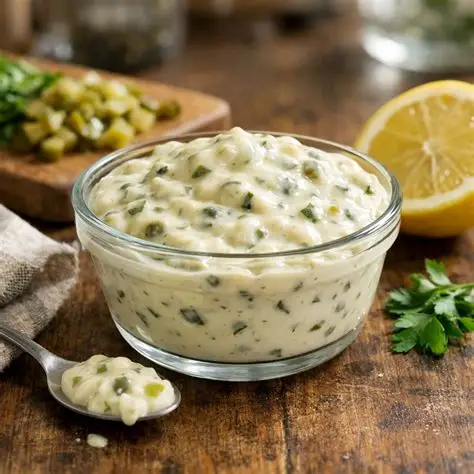 Classic Tartar Sauce
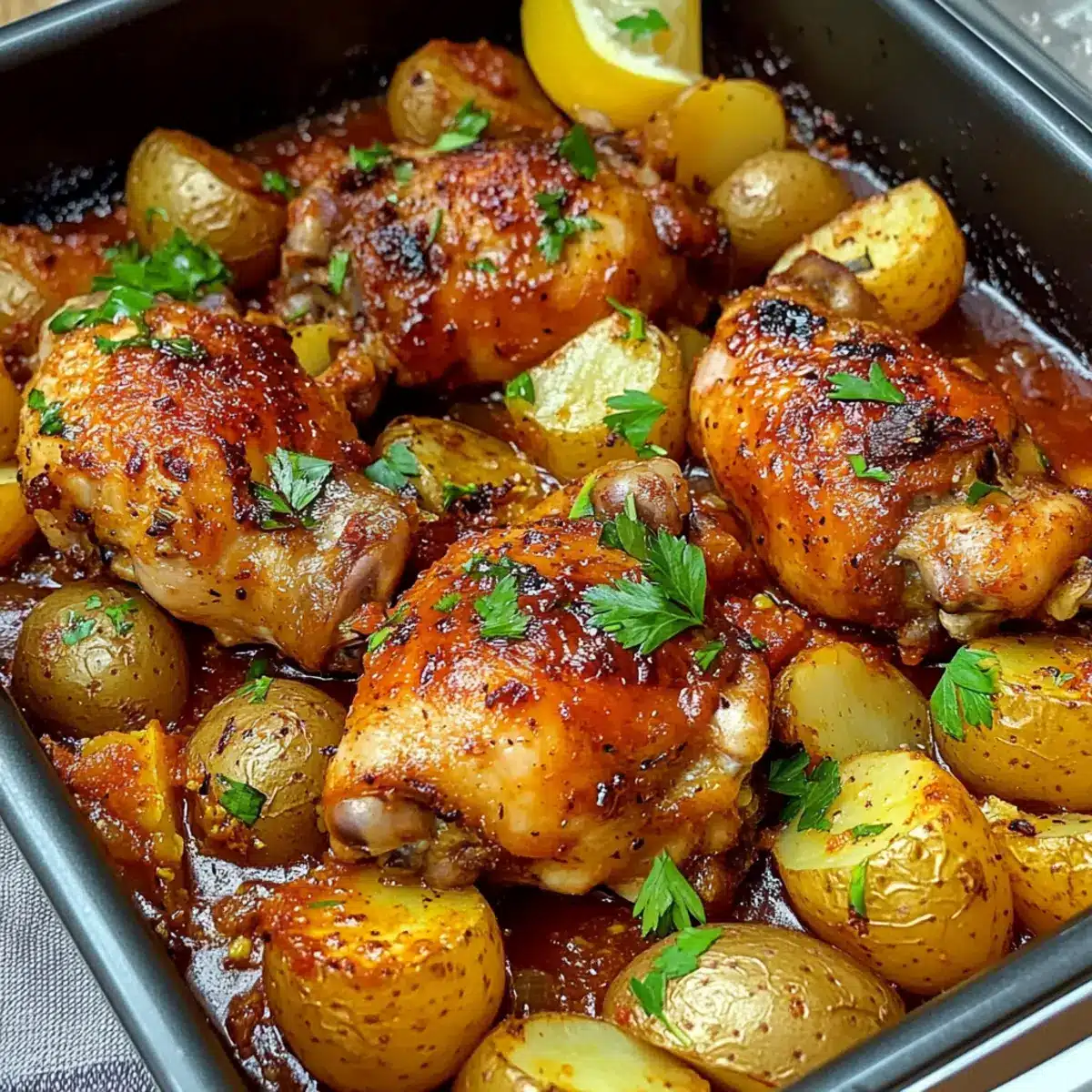 One-Pan Salt and Vinegar Chicken and Potatoes