



OC Kitchen Lab · Ingredient Encyclopedia
Basil
Fresh, fragrant, and full of summer flavor
Herbs & Spices
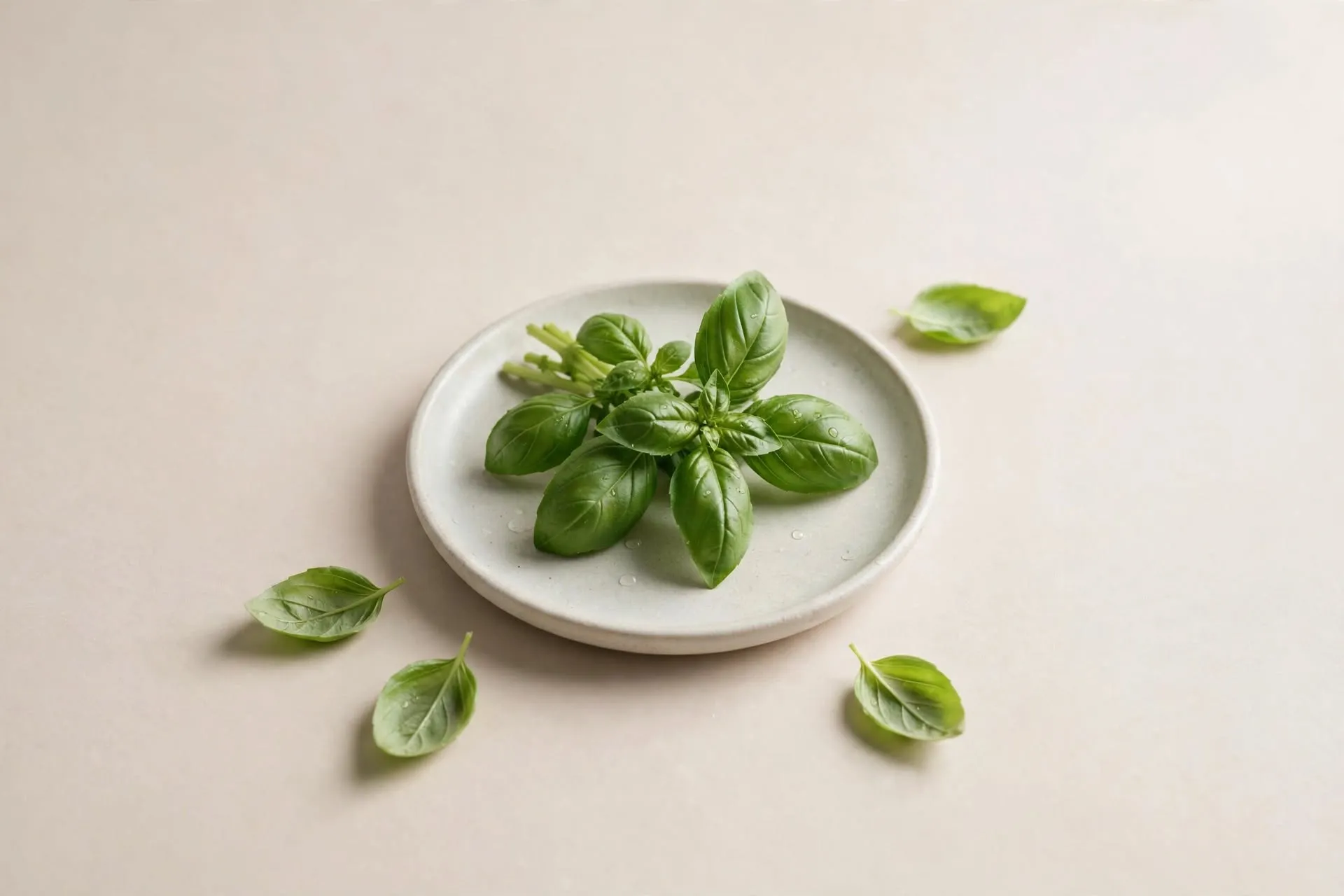
Origin
Originally grown in tropical Asia, used in cooking for centuries.
Season
Best in summer and early autumn, when leaves are fragrant and tender.
Culinary uses
Tear it into salads, pasta, and tomato dishes for fresh aroma, or blend it into pesto for a smooth, rich sauce. Lay whole leaves over pizza or grilled vegetables just before serving, so they stay bright and fragrant.
Fun fact
Basil leaves bruise easily, so tearing them by hand keeps them greener than cutting them with a knife.
Basil is fresh and fragrant, with soft leaves that smell sweet, peppery, and a little floral. It tastes bright and lively, and it turns dark and mellow if it is cooked for too long. It is best added at the end, when its aroma can stay fresh and full.
Where it grows
Native originGrowing / production
Native: India, Thailand, Vietnam. Growing: Egypt, India, United States of America.
Variations
- Genovese – classic, sweet, for pesto and tomato
- Sweet basil – mild, soft, everyday basil
- Thai basil – anise-like, spicy, for Thai dishes
- Holy basil – peppery, strong, for Thai cooking
- Lemon basil – fresh, lemony, for salads and fish
- Purple basil – darker, stronger, for salads and decoration
Nutrition
Basil
Basis: 100 g
23 kcalCalories
3.2 gProtein
0.6 gFat
2.7 gCarbs
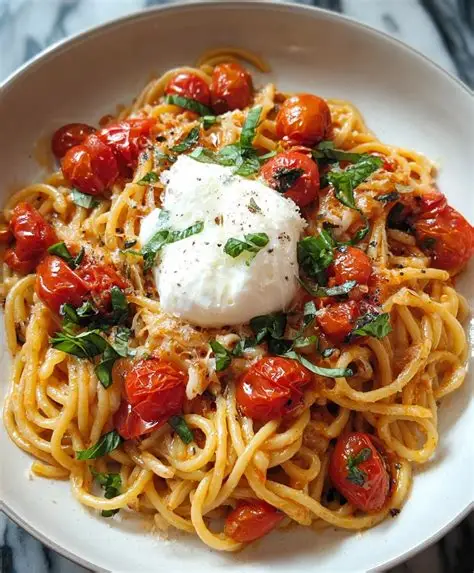 One-Pan Creamy Tomato Pasta with Burrata
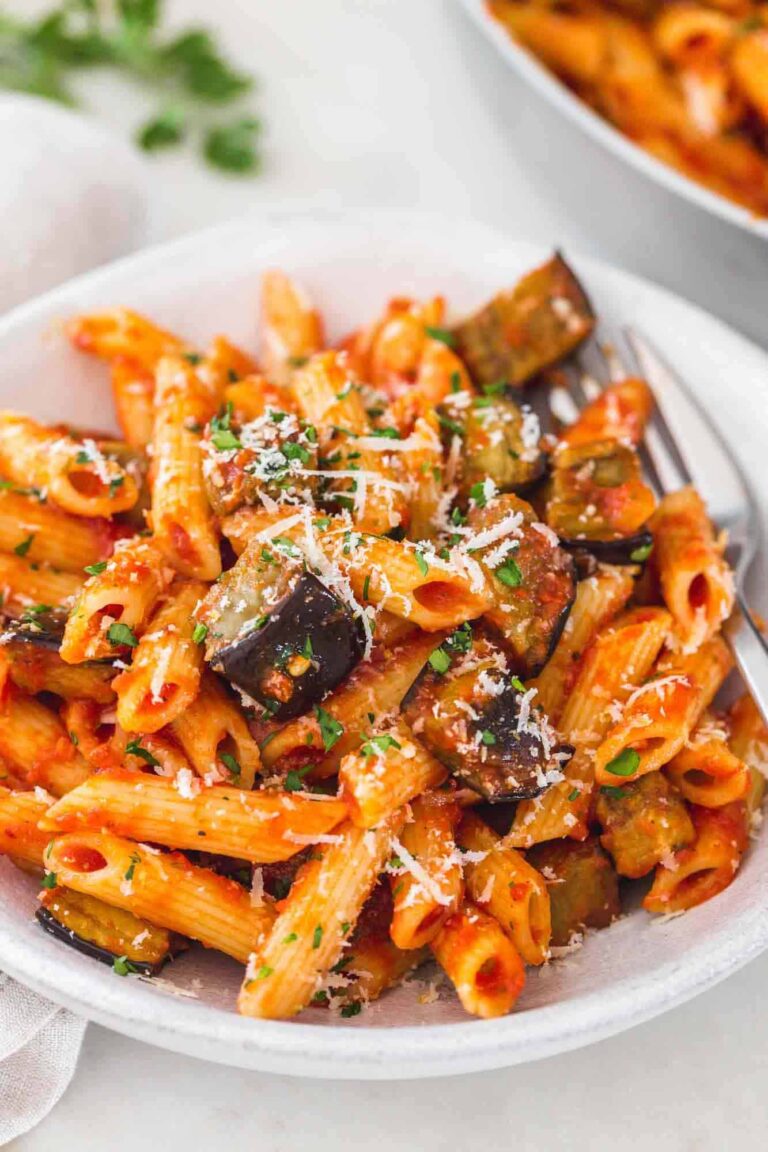 Pasta alla Norma (Sicilian Pasta with Aubergine)
 Basil Pesto (Subito presto, Pesto)
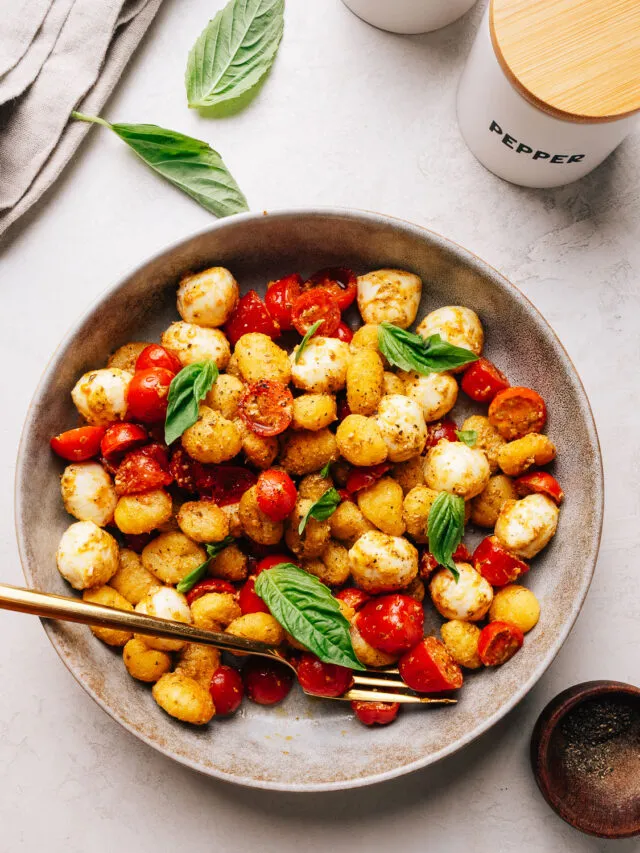 Crispy Caprese Gnocchi