



OC Kitchen Lab · Ingredient Encyclopedia
Cheese
Savory, creamy, and full of character
Dairy & Eggs
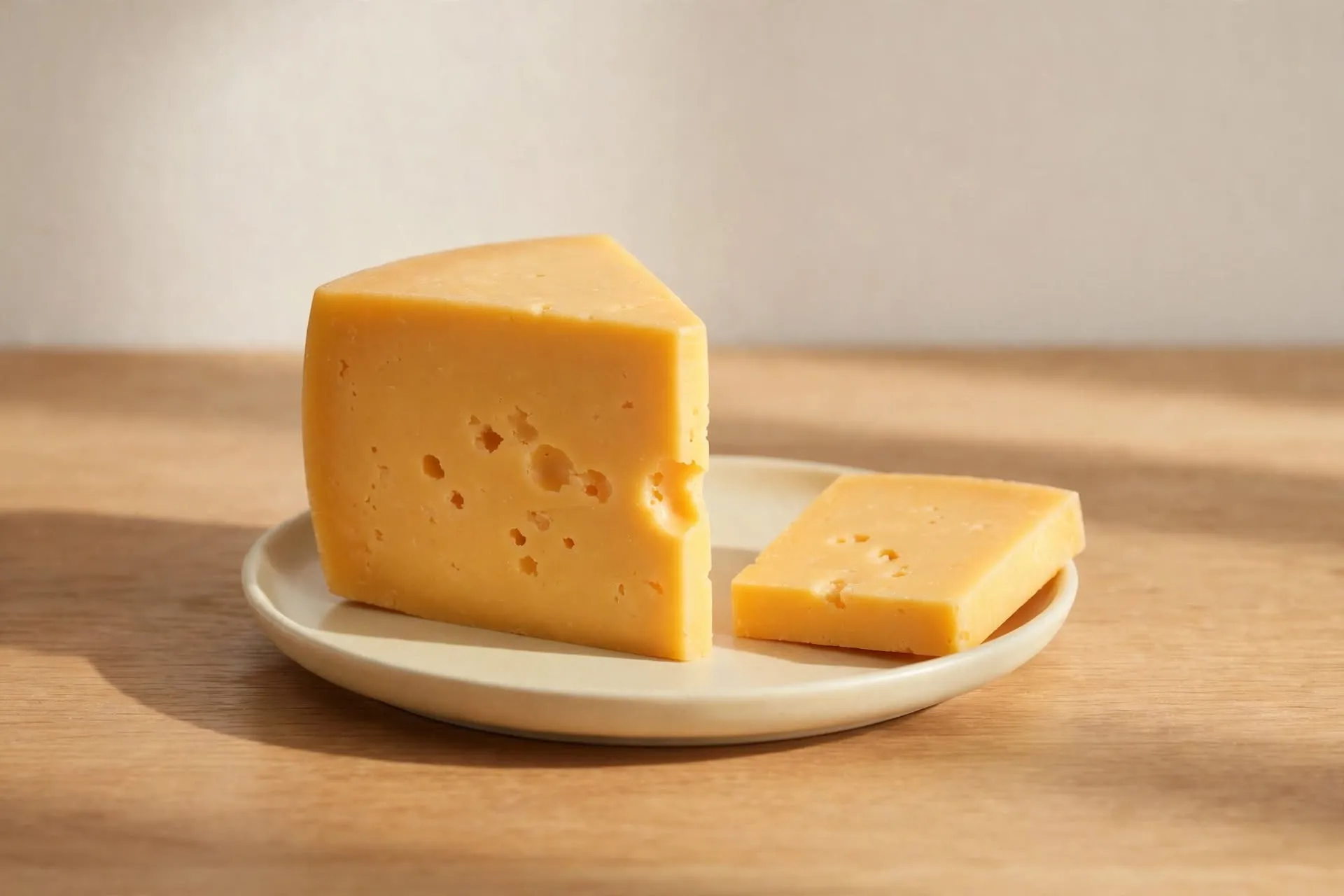
Origin
Made by curdling milk, one of the oldest preserved foods.
Season
Available year-round.
Culinary uses
Melt it into sauces, gratins, and sandwiches for a rich, savory pull. Grate it over pasta and salads for salty depth, or serve it sliced with fruit and bread.
Fun fact
Cheese melts more smoothly when grated first and added to warm, not boiling, sauce.
Cheese is savory and creamy, with flavor that ranges from mild and milky to sharp and deep. It melts, grates, slices, and crumbles, which makes it useful in almost every kind of cooking. It can be the quiet background or the star of the dish.
Where it grows
Native originGrowing / production
Native: Iran, Iraq, Turkey. Growing: Germany, United States of America.
Variations
- Categories:
- Hard – aged, for grating, Parmesan style
- Semi-hard – firm, for slicing, Cheddar style
- Soft – creamy, for spreading, Brie style
- Fresh – soft, mild, for salads, Feta style
- Blue – strong, veined, for sauces
- Stretched – stringy, melts well, Mozzarella style
- Washed rind – pungent, soft, for strong flavor
- France:
- Brie – soft, creamy, for baking
- Camembert – soft, earthy, for baking
- Roquefort – blue, strong, sheep milk
- Comté – hard, nutty, for slicing
- Chèvre – goat, tangy, for salads
- Italy:
- Parmesan – hard, salty, for grating
- Pecorino – hard, sheep, salty
- Mozzarella – fresh, stretchy, for pizza
- Gorgonzola – blue, creamy, for sauces
- Taleggio – washed rind, soft, strong
- Spain:
- Manchego – firm, sheep, nutty
- Idiazabal – smoked, sheep, firm
- Tetilla – soft, mild, creamy
- Cabrales – blue, strong, for sauces
- Netherlands / UK:
- Gouda – semi-hard, mild, for slicing
- Edam – semi-hard, mild, for snacking
- Cheddar – semi-hard, sharp, for melting
- Stilton – blue, rich, for cheese boards
Nutrition
Cheese
Basis: 100 g
403 kcalCalories
25 gProtein
33 gFat
1.3 gCarbs

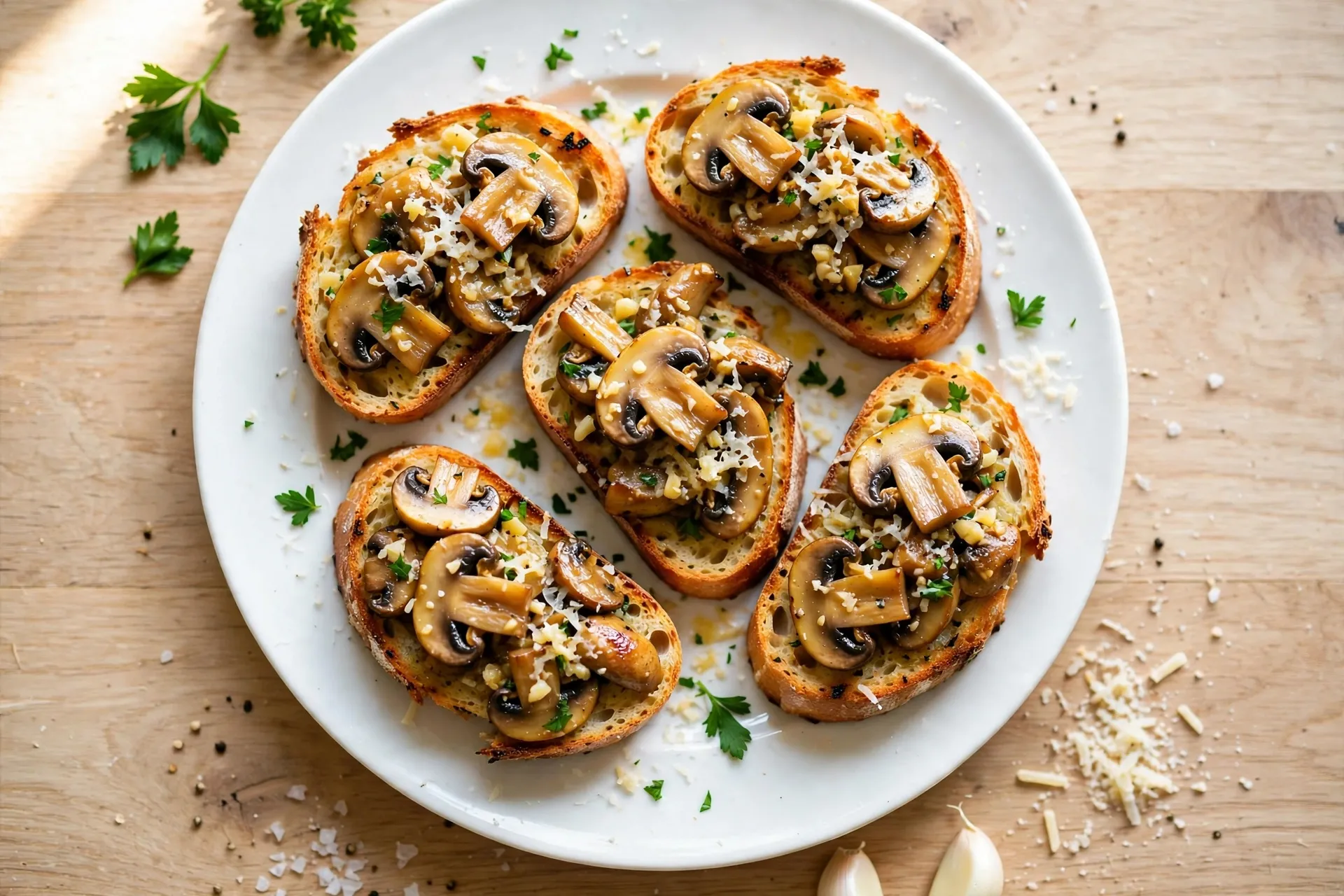 Garlic Butter Mushroom (Bruschetta à la forestière)
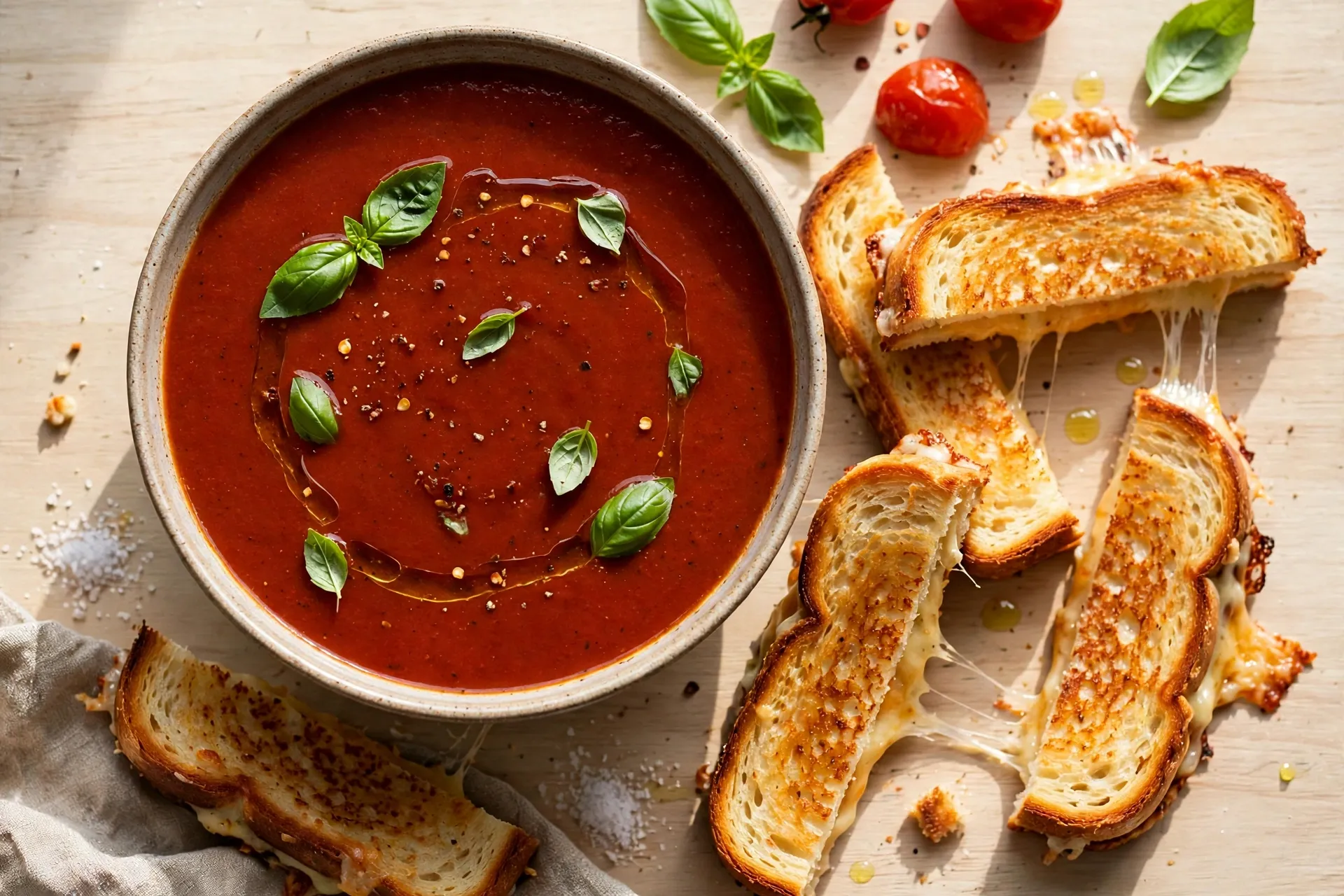 Roasted Tomato Soup with Grilled Cheese Dippers
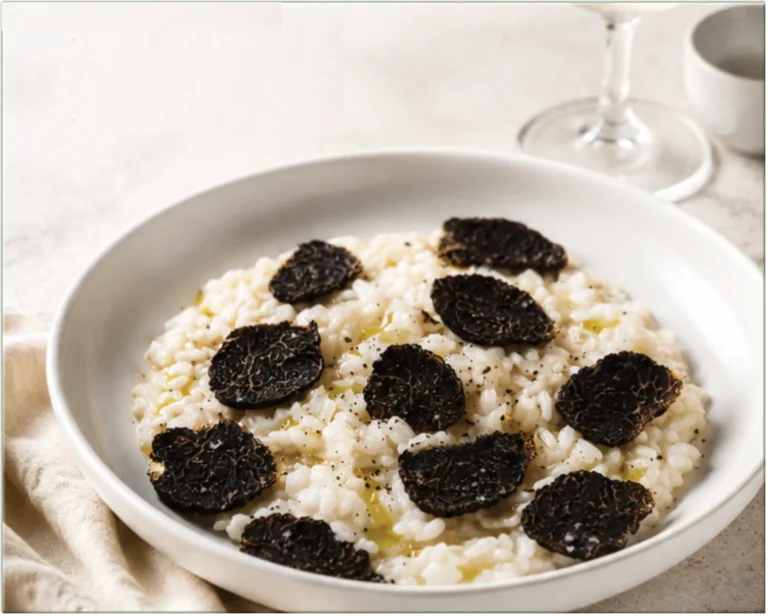 Risotto à la Truffe with White Asparagus
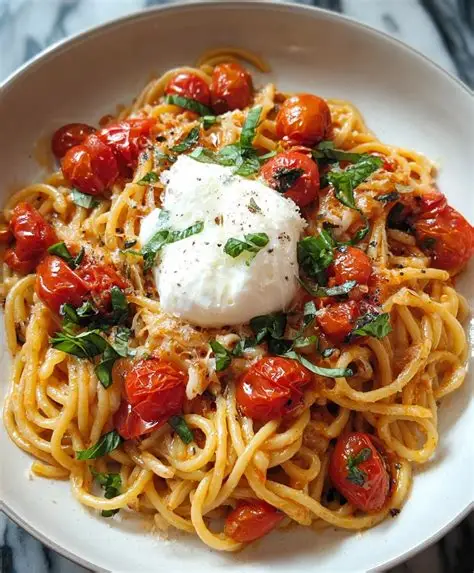 One-Pan Creamy Tomato Pasta with Burrata