



Imagine the first dinner at a lunar base. Someone has managed to heat the food. Everyone’s back inside. The conversation gets good just as the plates are cleared. Then someone brings a bowl to the sink and asks, “How much water have we got left?”
On Earth, I’d probably tell them to get on with the washing-up. On the Moon, I’d want to see the plumbing diagram.
Online-Chef Tales · By Chef Jules
NASA has given students six ways into the problem
On 8 November 2026, NASA announced its Moon Base Challenge, with up to $1 million in awards across the competition. It invites eligible U.S. high school and post-secondary student teams to develop ideas for a long-term base near the lunar South Pole. Each team picks one of six topics. A kitchen is a surprisingly good way to see how they fit together. NASA announcement · Moon Base Challenge
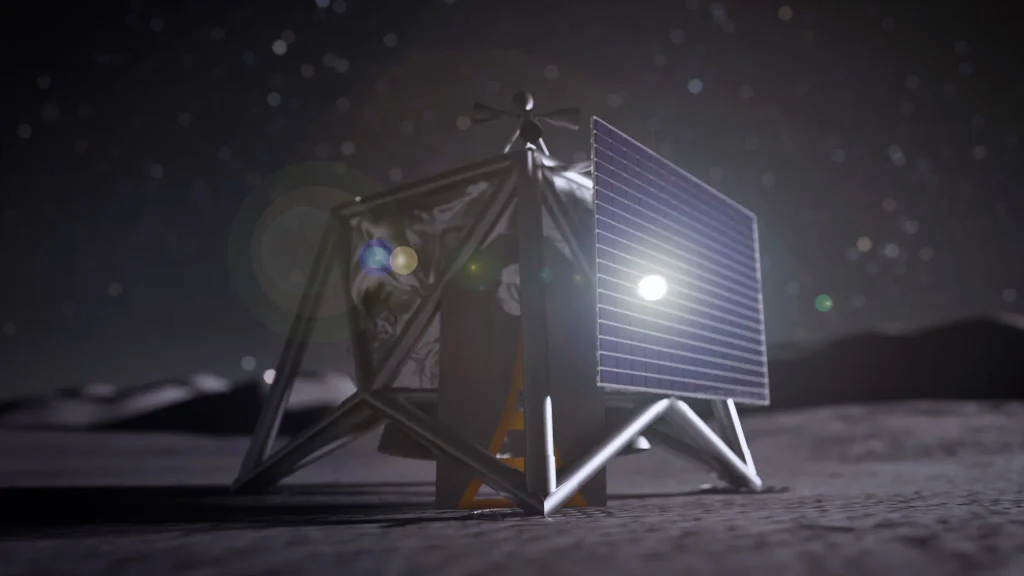
Power generation and storage asks what keeps the equipment running when sunlight is unavailable. Habitat construction asks what you can build with material already on the Moon and what still has to come from Earth. Life support deals with the air people breathe, the water they use and the waste they leave behind. Power · Construction · Life support
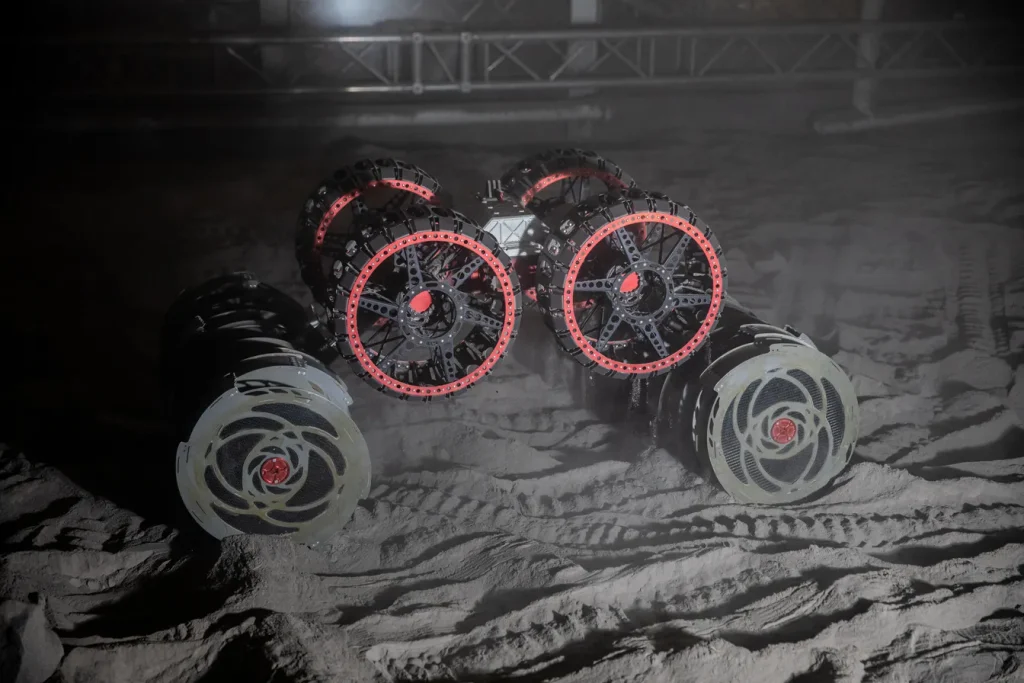
Then there’s the work outside the door. Surface mobility covers moving crews, robots and cargo across rough ground. Communications asks how a rover gets a message through when a ridge blocks its view. Astronaut safety includes keeping abrasive lunar dust away from equipment and protecting people from hazards such as radiation. Put all six together and you can start asking what it takes for the same crew to sit down to dinner again tomorrow. Mobility · Communications · Astronaut safety

Follow the water after dinner
The page I kept coming back to was Life-Support Systems. In 2023, NASA reported that equipment aboard the International Space Station had demonstrated about 98% water recovery. One part of the system recovers moisture from cabin air. Another processes urine, and a brine processor helps extract more water from what remains. The recovered water still has to be treated and checked before it goes back into use. A number that fits neatly on a slide turns out to involve quite a lot of filters. NASA’s ISS water recovery milestone
Here’s where I’d start my own sketch. Draw the galley sink. Trace the incoming water back to storage. Follow the outgoing water and mark where food scraps are caught, where water is treated and how the crew knows it’s safe to use again. Then put a big cross through the pump. Can someone reach it without taking half the galley apart? What will the crew use while it’s being repaired?
On a kitchen plan, the sink is a rectangle. The moment the pump fails, the space around that rectangle becomes one of the most important decisions on the drawing.


What the student teams actually submit
Teams consist of two to five eligible students and an adult coach. The first submission is a five- to seven-page concept paper. Finalists then refine their ideas and submit a recorded pitch and slide deck. A clear hand-drawn diagram or a simple physical model can help explain the idea. The judges want to understand how it works, how it could be deployed and what the team would do when something fails. Rules and judging criteria · Competition phases
The published schedule puts the student registration deadline on 25 January 2027 and the first project deadline on 22 February 2027. The final awards are scheduled for 6 May 2027. Official timeline
A challenge of our own, one planet over
Jan and I build MARS‑X, Online-Chef’s independent colony workshop. NASA’s student challenge gave me an idea for a little design brief of our own. In the workshop, put a galley somewhere your crew would actually want to eat. Then sketch three things around it: where the water comes from, where it goes after washing-up and what the crew does if the pump stops halfway through dinner.
Save your layout or make a flyover, and show us where you’d put the galley. If you’ve left enough room for someone to change the filter, you’re already thinking beyond the dinner table. Build your colony in MARS‑X
As for who does the dishes? I suspect it’s whoever said, “I’ll just leave this here for a minute.”

If your invitation to the Moon is still in the post, come play on Mars with us. 🚀
In our MARS‑X workshop, you can watch the ships land, move the habitats around and build a galley wherever you think the crew would want to eat. Save your colony or make a flyover and show us what you built. One small detail before you go. Whoever puts the sink furthest from the dining table is doing the dishes.
· Jules, Online-Chef
