



OC Kitchen Lab · Ingredient Encyclopedia
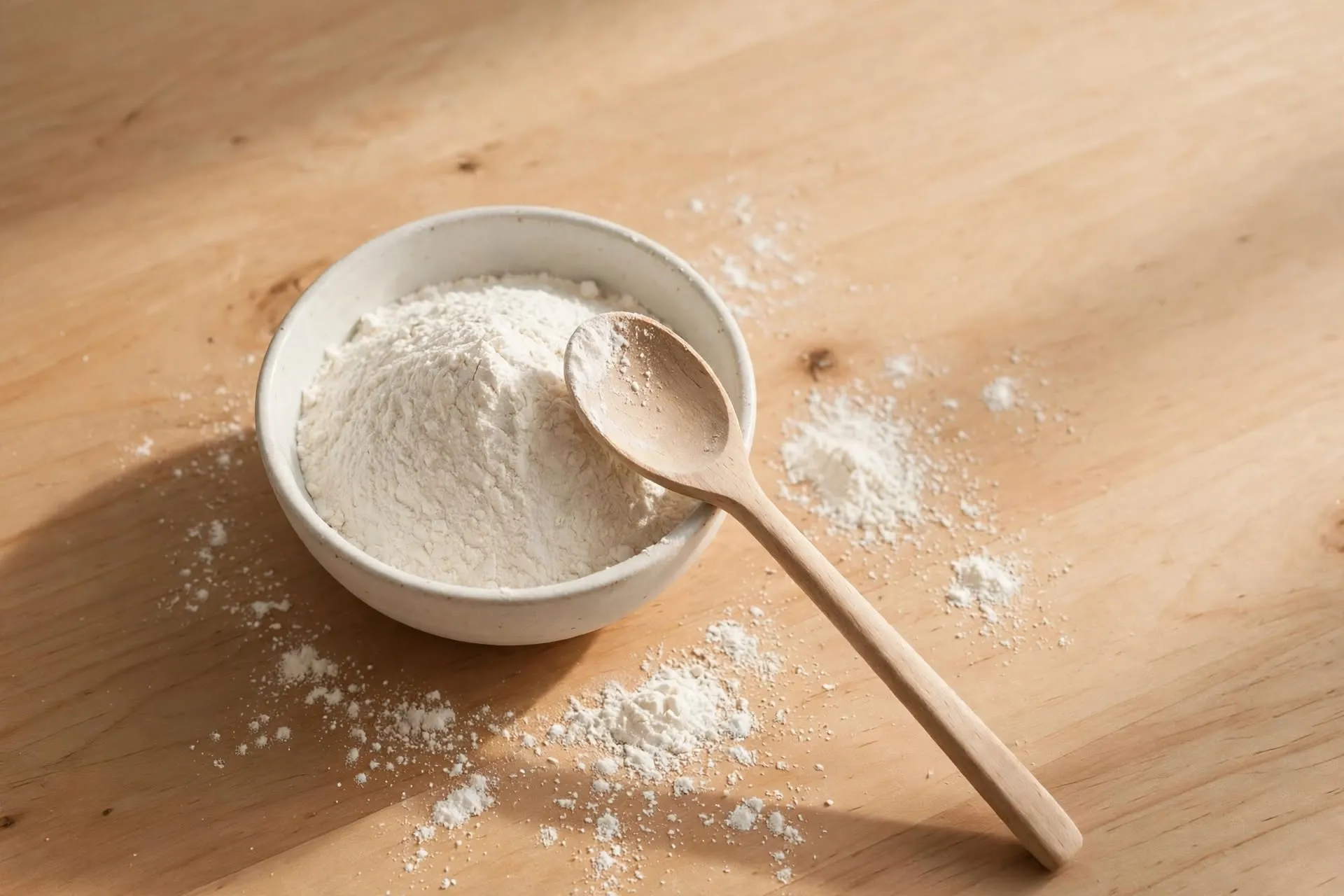
Flour
Soft, powdery, and the base of baking
Dairy & Eggs
Origin
Made by milling wheat, cultivated for thousands of years.
Season
Available year-round, as dried grain and flour.
Culinary uses
Whisk it into sauces and soups to thicken them smoothly. Use it for breads, cakes, and pasta, where it gives structure and softness.
Fun fact
Sifting flour before measuring breaks up lumps and makes cakes lighter.
Flour is soft and powdery, with a mild flavor that lets other ingredients shine. It gives structure to breads, cakes, and pasta, and body to sauces. It is the quiet base behind so much of baking and everyday cooking.
Where it grows
Native originGrowing / production
Native: Iraq, Syria, Turkey. Growing: China, India, Russia.
Variations
- Common flours:
- 00 – very fine, Italian, for pizza and fresh pasta
- T45 – very fine, French, for cakes and pastries
- T55 – all-round, French, for white bread and baguettes
- T65 – light, French, for rustic bread and pizza
- T80 – semi-whole, nutty, for hearty bread
- T110 – wholemeal, darker, for wholemeal bread
- T150 – full whole wheat, heavy, for dense bread
- All-purpose – everyday, for cakes, cookies and sauces
- Bread flour – high protein, strong, for chewy bread
- Cake flour – very soft, low protein, for light cakes
- Whole wheat – full grain, nutty, heavier texture
- Special flours:
- Rye flour – earthy, dense, for rye bread
- Spelt flour – nutty, ancient wheat, for bread and cakes
- Buckwheat flour – gluten-free, earthy, for pancakes and galettes
Nutrition
Flour
Basis: 100 g
364 kcalCalories
10 gProtein
1 gFat
76 gCarbs

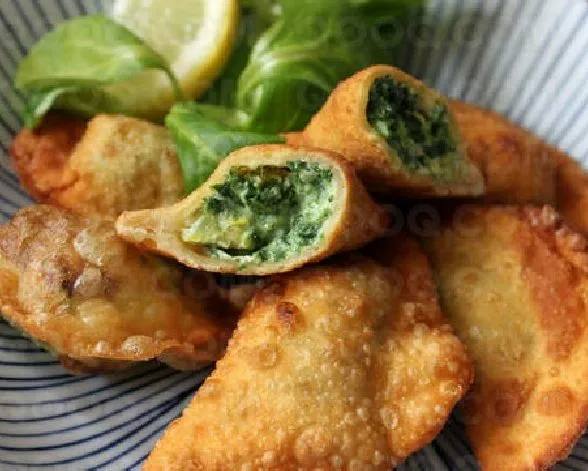 Barbajuans (Monégasque Chard & Ricotta Pastries)
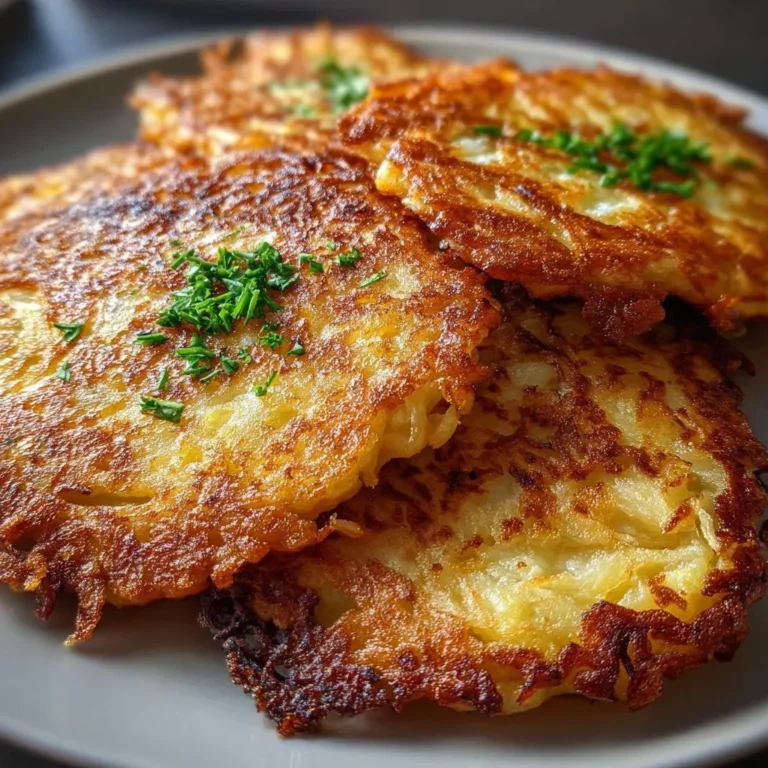 Bramboráky (Czech Potato Pancakes)
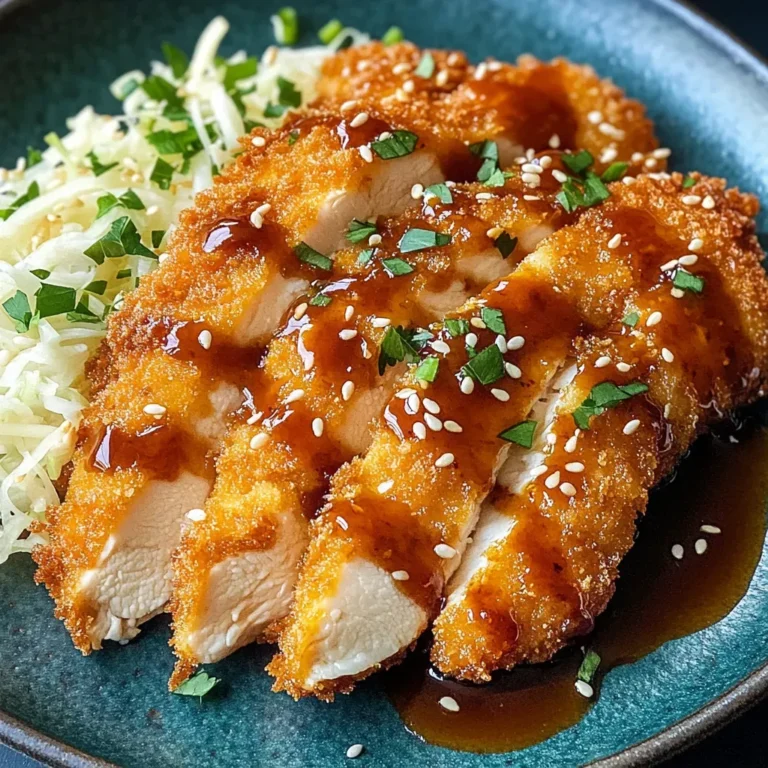 Chicken Katsu (Japanese Crispy Chicken Cutlet)
 Paprikás Csirke (Hungarian Chicken Paprikash with Nokedli)