



OC Kitchen Lab · Ingredient Encyclopedia
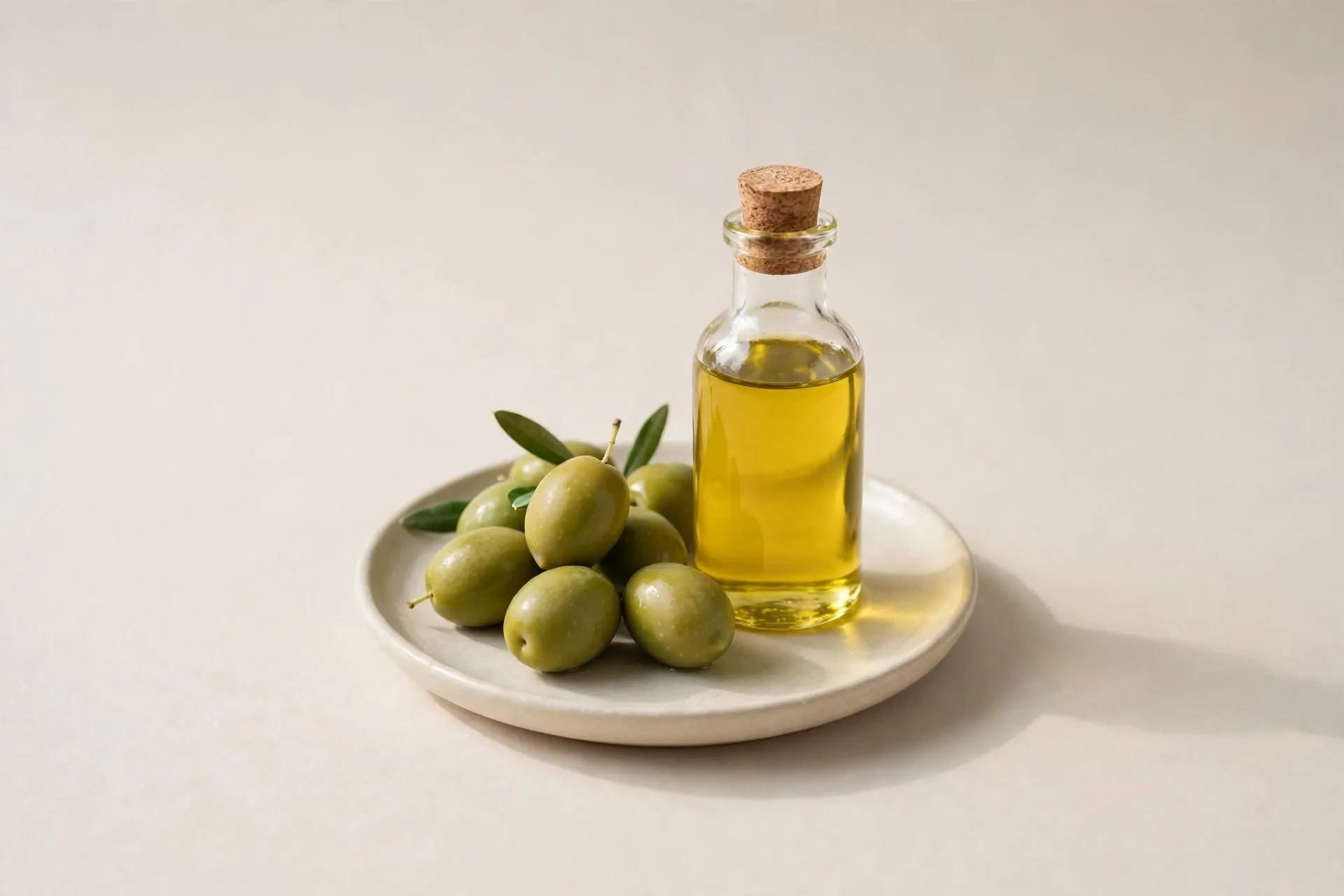
Olive Oil
Smooth, fruity, and silky on the palate
Oils & Fats
Origin
Made from olives, cultivated around the Mediterranean for thousands of years.
Season
Olives are harvested from October to January, oil is available year-round.
Culinary uses
Drizzle it over salads, grilled vegetables, and finished pasta for shine and fresh flavor. Use it to gently saute garlic, onions, and herbs, so their aroma blooms in the warm oil.
Fun fact
Good olive oil often leaves a slight peppery tickle at the back of the throat when tasted on its own.
Olive oil is smooth and fruity, with a light peppery finish that brings dishes together. It has a silky texture that adds shine and softness to everything from salads to finished pasta. It is as much a finishing touch as a cooking ingredient, adding freshness at the very end.
Where it grows
Native originGrowing / production
Native: Greece, Italy, Spain. Growing: Greece, Italy, Spain.
Variations
- Categories:
- Extra virgin – cold-pressed, fruity, for finishing and salads
- Virgin – cold-pressed, mild defects, for cooking
- Refined – neutral, high smoke point, for frying
- Light – refined, very mild, for baking
- Pomace – last pressing, neutral, for high heat
- Italy:
- Tuscany – green, peppery, grassy
- Liguria – light, delicate, sweet
- Puglia – rich, fruity, strong
- Sicily – bold, tomato-like, peppery
- Greece:
- Crete – fruity, balanced, classic Greek
- Kalamata – rich, fruity, for salads
- Peloponnese – smooth, mild, everyday
- Spain:
- Andalusia – rich, fruity, Picual
- Catalonia – delicate, sweet, Arbequina
- Jaén – strong, green, Picual
- France:
- Provence – delicate, floral, for finishing
Nutrition
Olive Oil
Basis: 100 g
884 kcalCalories
0 gProtein
100 gFat
0 gCarbs

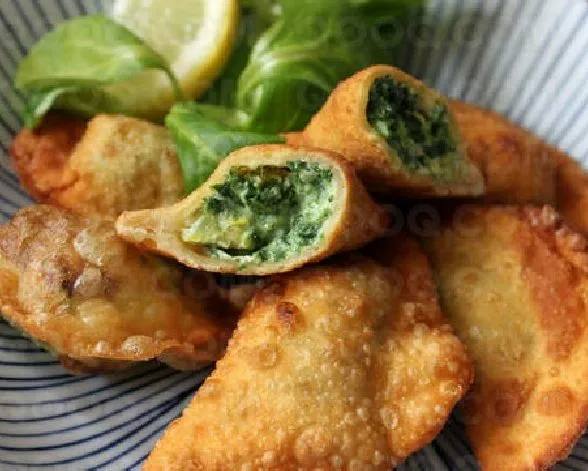 Barbajuans (Monégasque Chard & Ricotta Pastries)
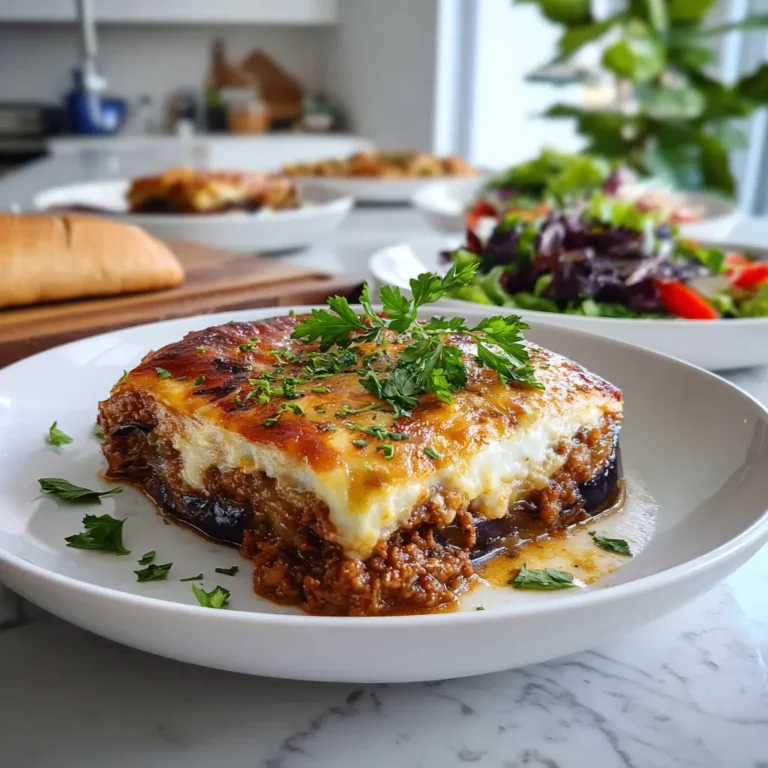 Moussaka (Greek Beef and Eggplant Lasagna)
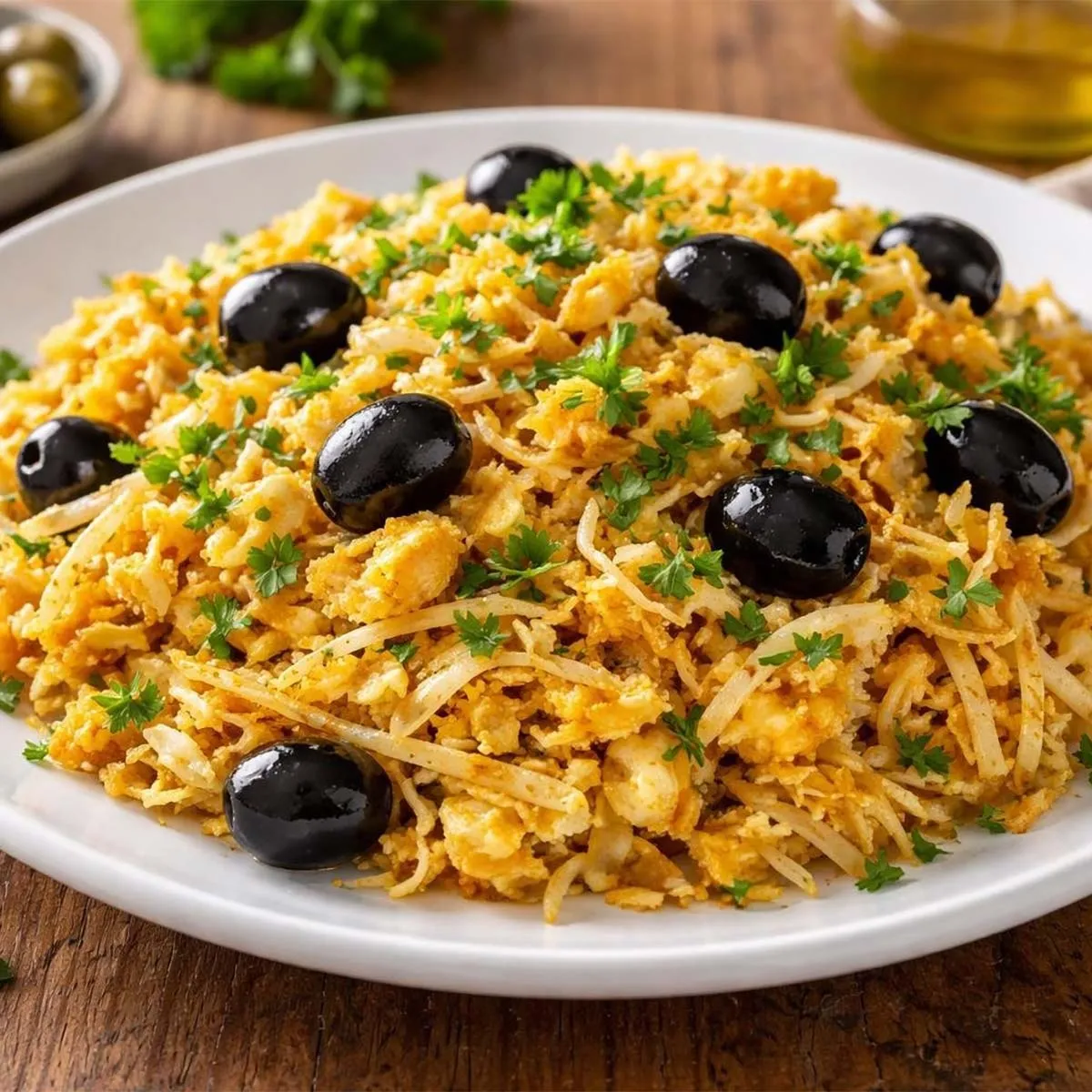 Bacalhau à Brás (Salt Cod with Eggs & Shoestring Potatoes)
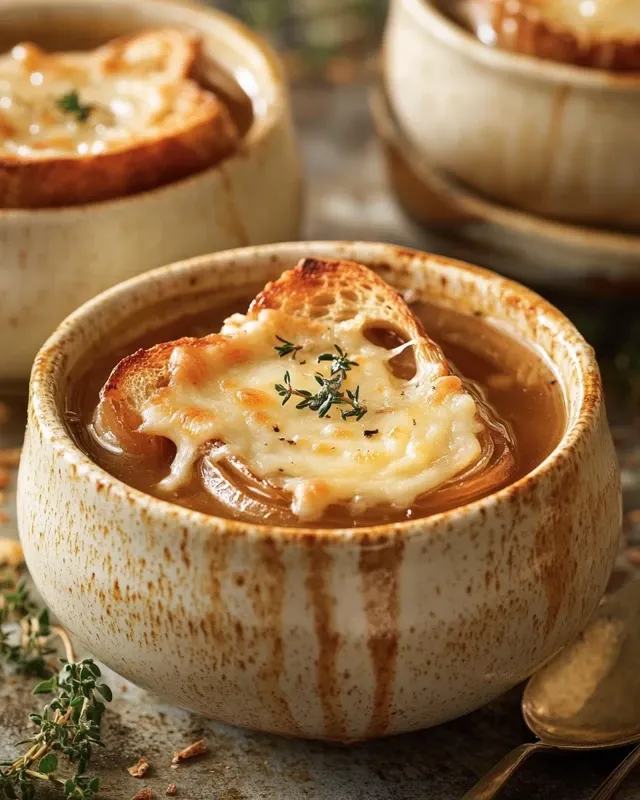 French Onion Soup