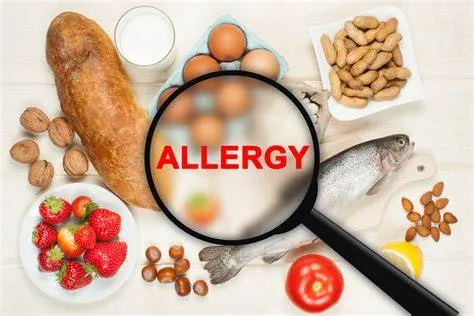
Food allergy awareness is an essential part of professional restaurant safety. A guest with a food allergy depends on the restaurant team to understand the ingredients, communicate accurately and reduce the risk of accidental cross-contact throughout preparation and service.
Under European Union food information rules, restaurants and other food businesses must be able to provide clear information about 14 specified allergens. This obligation also applies to non-prepacked food, including meals served in restaurants, cafés, hotels, catering operations, bakeries and takeaway businesses.
The EU list of 14 allergens is not a list of every food capable of causing an allergic reaction. A person may be allergic to many other ingredients. These 14 groups were selected because they are among the allergens most relevant to food labelling and consumer information in Europe.
For restaurant staff, knowing the names of the allergens is only the first step. Chefs, servers and managers must also understand where allergens may be hidden, how cross-contact can occur, how to check recipes and supplier information, and how to communicate honestly with the guest.
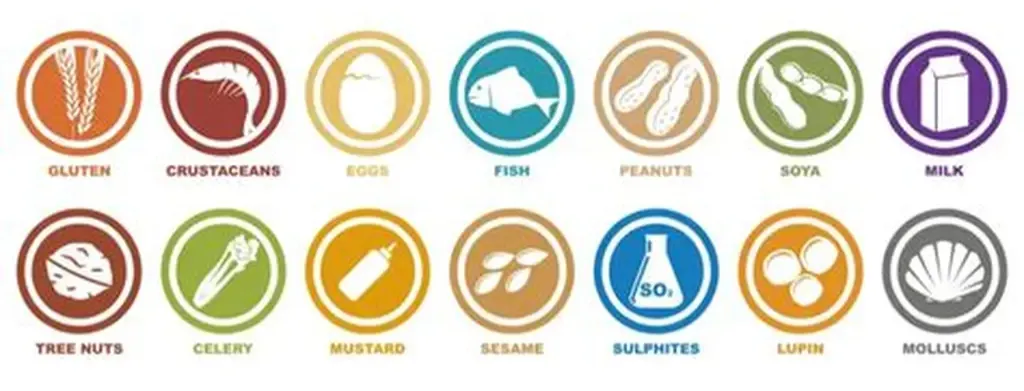
The 14 allergens that must be declared in the European Union are:
This allergen group includes wheat, rye, barley, oats, spelt, kamut and their hybridised strains. In restaurants, they commonly appear in bread, pasta, pastry, cakes, breadcrumbs, batter, pizza dough and breakfast cereals. Less obvious sources include roux, soups, stocks, sauces, soy sauce, processed meat, seasoning mixes and desserts.
Shared fryers, bread stations, flour dust, toasters, grills, chopping boards and utensils are major cross-contact risks. Wheat allergy, coeliac disease and gluten intolerance are different conditions, although similar food restrictions may be requested.
Staff training point: Never describe a dish as gluten-free without checking every ingredient and the complete preparation process.
Crustaceans include prawns, shrimp, crab, lobster, crayfish and similar species. They may be served whole or used in seafood platters, bisques, soups, sauces, stocks, pasta dishes, sushi, salads and Asian-style preparations.
Less obvious sources include shrimp paste, seafood flavourings, bouillabaisse bases, mixed fish stocks and commercial sauces. Shared grills, planchas, pans, cooking water, knives, chopping boards and frying oil can transfer crustacean proteins to another dish. Crustaceans and molluscs are separate allergen categories under EU rules.
Staff training point: Food cooked in oil, water or equipment previously used for crustaceans cannot automatically be considered safe for an allergic guest.
Eggs are found in omelettes, breakfast dishes, cakes, pastries, pasta, mayonnaise, hollandaise, mousses, meringues, custards and many desserts. They may also be present in bread glazes, breading, batters, meat preparations, dressings, sauces and certain cocktails.
Cross-contact frequently occurs on breakfast grills, whisks, mixers, pastry equipment, brushes, frying stations and shared preparation surfaces. Removing a fried egg, mayonnaise or an egg-based garnish from a completed dish does not make the remaining food safe. Some guests may tolerate particular forms of cooked egg, but restaurant staff must never make that decision for them.
Staff training point: Prepare a new dish using verified ingredients and properly cleaned equipment.
Fish allergy may involve one species, several species or all finned fish. Common restaurant sources include fish fillets, seafood dishes, fish soups, sushi, pâtés, spreads and fish-based stocks. Less obvious sources may include fish sauce, anchovy paste, Caesar-style dressing, Worcestershire-style sauce, tapenade, bouillabaisse bases and seasoning products. Shared grills, fryers, pans, knives, chopping boards, tongs and plating utensils can create cross-contact.
Fish is legally separate from crustaceans and molluscs. Staff should therefore record the exact allergy stated by the guest rather than replacing it with the general term “seafood allergy”.
Staff training point: Ask what the guest must avoid and check sauces, stocks and dressings carefully.
Peanuts are legumes and form a separate allergen category from tree nuts. They may be found in satay sauces, curries, salads, desserts, confectionery, bakery products, snack mixes, peanut butter and international dishes.
Less obvious sources include spice mixtures, marinades, sauces, decorative toppings and certain speciality oils. Cross-contact can occur through shared blenders, food processors, dessert stations, scoops, utensils, storage containers and preparation surfaces. A guest allergic to peanuts is not automatically allergic to tree nuts, but both allergens must be managed separately and accurately. Visible pieces are not the only risk because peanut protein may remain in sauces or equipment.
Staff training point: Never guess whether a sauce or commercial product contains peanuts—verify its ingredients.
Soybeans appear in tofu, soy milk, edamame, tempeh, miso, soy sauce and many meat-replacement products. Soy may also be present in bread, chocolate, desserts, processed meat, seasoning blends, marinades, sauces and ready-made foods.
Because soy-derived ingredients are widely used in manufactured products, recipes cannot always be checked by looking only at the obvious components of a dish. Supplier labels and technical information may need to be reviewed. Cross-contact risks include shared woks, grills, fryers, sauce bottles, brushes, utensils and preparation containers, particularly in kitchens using soy sauce frequently.
Staff training point: Check every purchased sauce, marinade and processed ingredient instead of relying on the product’s appearance or taste.
Milk allergy is a reaction to milk proteins and is different from lactose intolerance. Milk and dairy ingredients are commonly present in cream, butter, cheese, yogurt, ice cream, custard and milk-based drinks.
Less obvious sources include mashed potatoes, risotto, soups, sauces, bread, brioche, chocolate, processed meat, dressings, seasoning powders and dishes finished with butter. Cross-contact may occur through coffee equipment, steam wands, pastry tools, grills, pans, brushes, ice-cream scoops and shared utensils.
Lactose-free milk still contains milk proteins and is not necessarily safe for a person with milk allergy. Vegan products must also be checked for cross-contact and labelling.
Staff training point: Never treat “lactose-free” and “milk-free” as equivalent.
The EU nut category includes almonds, hazelnuts, walnuts, cashews, pecans, Brazil nuts, pistachios, macadamia nuts and Queensland nuts. Nuts appear in pastries, desserts, praline, marzipan, pesto, granola, nut butters, salads, sauces and decorative garnishes.
Less obvious sources include biscuits, chocolate, plant-based products, spice mixtures, fillings and speciality oils. Cross-contact commonly occurs in pastry areas, food processors, blenders, scoops, knives, boards and dessert displays.
A guest may be allergic to one particular nut, several nuts or the whole group. Staff should record the precise information supplied but must not advise which other nuts might be safe.
Staff training point: Identify the exact nut and verify all garnishes, sauces and desserts.
Celery includes celery stalks, leaves, seeds and celeriac. It is commonly used in soups, stocks, mirepoix, salads, stews, sauces, vegetable dishes and garnishes.
Less obvious sources include stock cubes, bouillon powders, seasoning mixes, spice blends, processed meat, tomato juice, ready-made soups and commercial sauces. Because celery is often used as a background flavour, kitchen staff may forget that it is present in a base prepared earlier. Cross-contact risks include vegetable preparation stations, peelers, knives, chopping boards, blenders, stock containers and shared serving utensils.
Staff training point: Do not check only the visible ingredients—verify stocks, bouillons, soup bases and seasoning mixtures used in the recipe.
Mustard includes mustard seeds, mustard powder, prepared mustard and ingredients derived from mustard. It is commonly found in vinaigrettes, mayonnaise, marinades, sauces, sandwich fillings, meat glazes and salad dressings.
Less obvious sources include spice blends, stock preparations, pickles, processed meat, barbecue sauces, curry mixtures and commercial condiments. Mustard may be present even when its flavour is not obvious in the finished dish. Cross-contact can occur through shared spoons, sauce bottles, brushes, bowls, whisks, condiment stations and utensils used for several dressings.
Staff training point: Never assume that a mild sauce or dressing is mustard-free. Check the recipe and the original product label.
Sesame may appear as whole seeds, sesame paste, tahini, sesame oil or an ingredient in spice mixtures. Common sources include bread, burger buns, hummus, sauces, dressings, crackers, bakery products and Middle Eastern or Asian dishes.
The small seeds spread easily and may remain on baking trays, bread baskets, cloths, worktops, chopping boards and utensils. Less obvious sources include marinades, seasoning blends, desserts, snack products and multiseed breads. Removing visible sesame seeds from a finished item does not remove protein already transferred to the food.
Staff training point: Consider the full bakery and preparation environment, not only whether sesame is visible on the final dish.
Sulphur dioxide and sulphites are preservatives used in certain foods and drinks. Under EU rules, they must be declared when present above the specified level of 10 mg per kilogram or 10 mg per litre, expressed as sulphur dioxide.
Common sources include wine, cider, dried fruit, some processed potatoes, pickled products, bottled lemon or lime juice, preserved vegetables and certain crustacean products. They may also be introduced through a sauce, stock or prepared ingredient. Unlike many other allergen groups, this category concerns chemical preservatives rather than a food protein.
Staff training point: Check beverages, preserved ingredients and commercial products—the source may not be visible in the final dish.
Lupin is a legume whose flour, seeds or protein may be used in bread, pastries, pasta, cakes and gluten-free products. It may also appear in vegetarian foods, meat substitutes and high-protein products.
Because lupin is less familiar to many restaurant employees, it can easily be overlooked when checking flour blends or speciality bakery products. People with peanut allergy may sometimes also react to lupin, but staff must not make assumptions about an individual guest’s medical risk. Cross-contact may occur through flour dust, bakery equipment, mixers, trays, utensils and shared storage containers.
Staff training point: Always inspect the label of gluten-free flour, bakery mixes and plant-based products for lupin.
Molluscs include mussels, oysters, clams, scallops, squid, octopus, snails and related species. They are used in seafood platters, pasta, risotto, paella, soups, sauces and mixed seafood dishes. Less obvious sources include oyster sauce, seafood stocks, bouillabaisse bases, squid ink preparations and commercial flavourings. Shared cooking water, grills, fryers, pans, knives, chopping boards, tongs and plating equipment may transfer mollusc proteins.
Molluscs are legally separate from crustaceans and fish. A guest may react to one category without reacting to the others, so the word “seafood” is not sufficiently precise for internal communication.
Staff training point: Record the exact allergy and verify every component of mixed seafood dishes.
The list of 14 substances and products causing allergies or intolerances is established in Annex II of Regulation (EU) No 1169/2011 on the provision of food information to consumers.
The regulation also requires allergen information to be provided for non-prepacked food, including food served in restaurants, cafés, catering operations and takeaway businesses.
This article focuses on the European Union system and the 14 allergens that must be declared for food served in restaurants, cafés, catering operations and other food businesses in Europe.
In the United States, the main regulatory framework is different. The FDA recognises nine major food allergens: milk, eggs, fish, crustacean shellfish, tree nuts, peanuts, wheat, soybeans and sesame. Sesame became the ninth major food allergen under the FASTER Act, with the change applying from 1 January 2023.
For international restaurant teams, hotels, chefs and food creators, this difference is important. The US “Top 9” is a useful reference, but it does not replace the EU list of 14 allergens. In Europe, additional allergen categories such as celery, mustard, lupin, molluscs, sulphur dioxide and sulphites must also be considered.
The safest approach is to follow the allergen rules of the country where the food is sold or served, while keeping staff trained to recognise that guests may use different terminology depending on where they come from.