

Beautiful Packaging, Brilliant Ideas — But Where Was the Food?
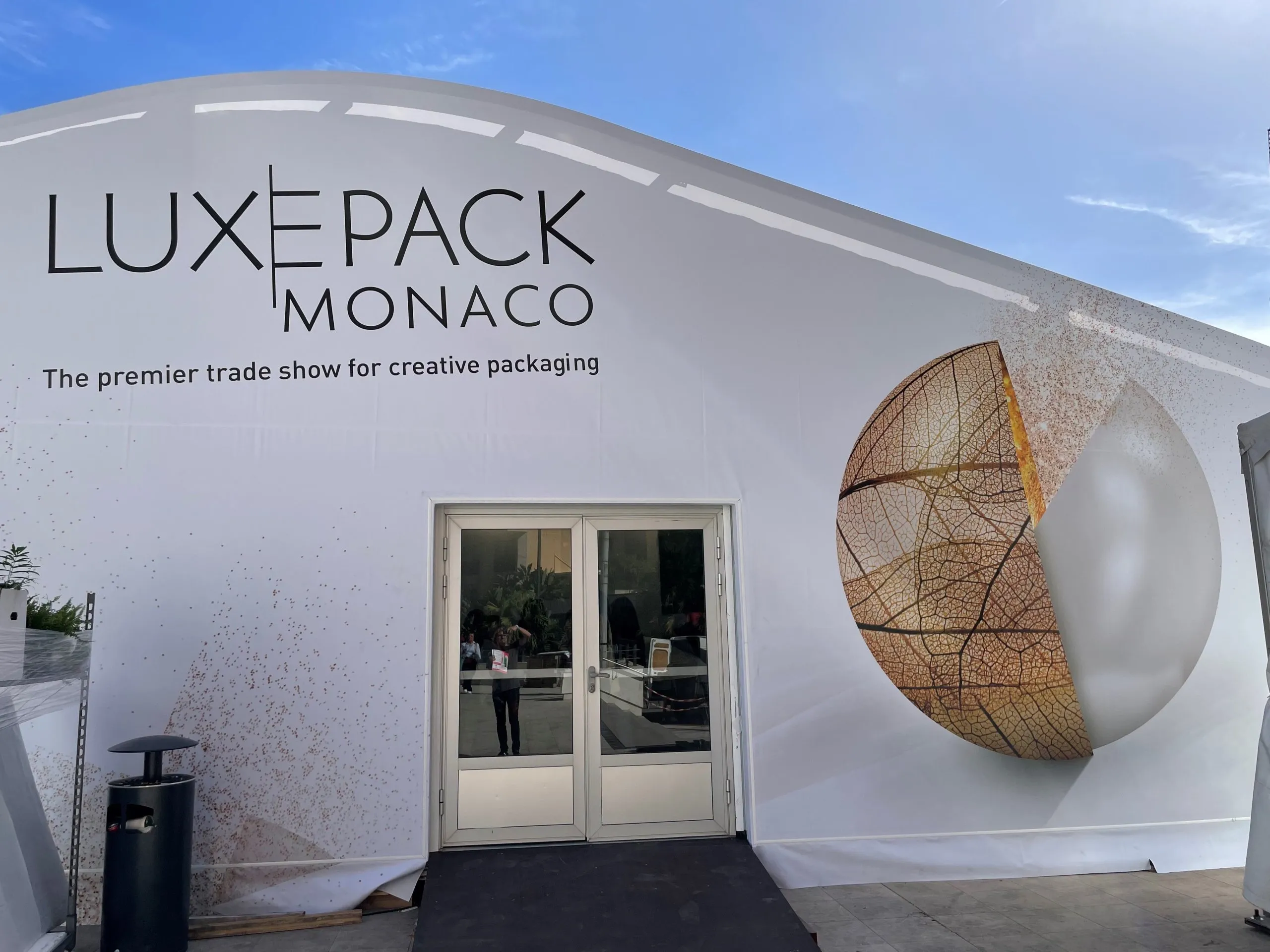
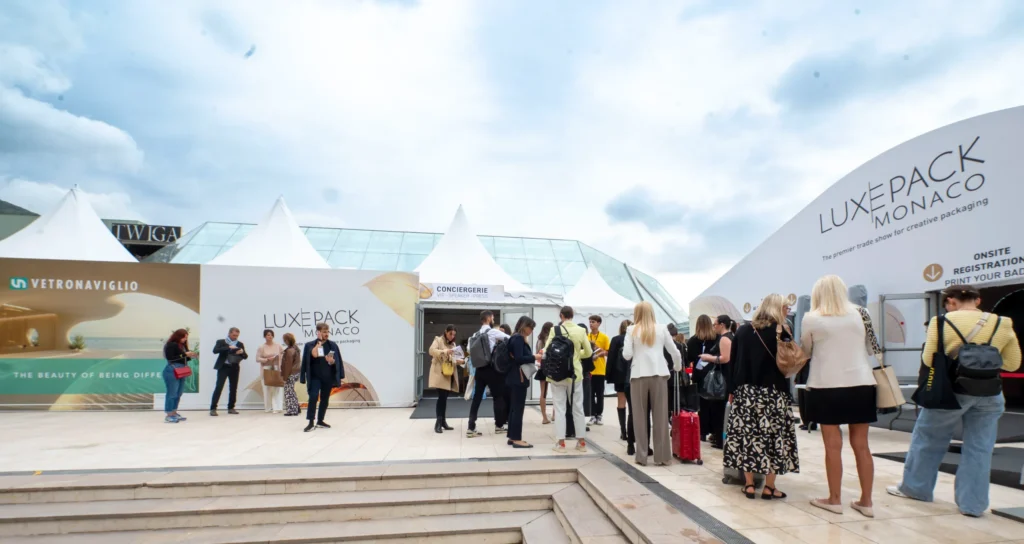
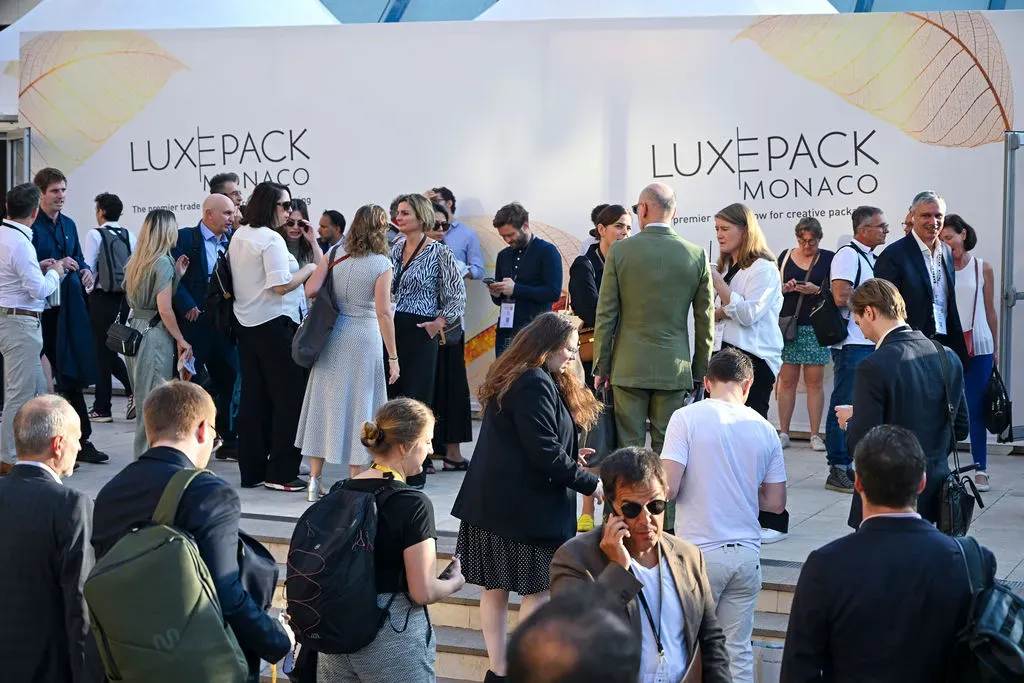
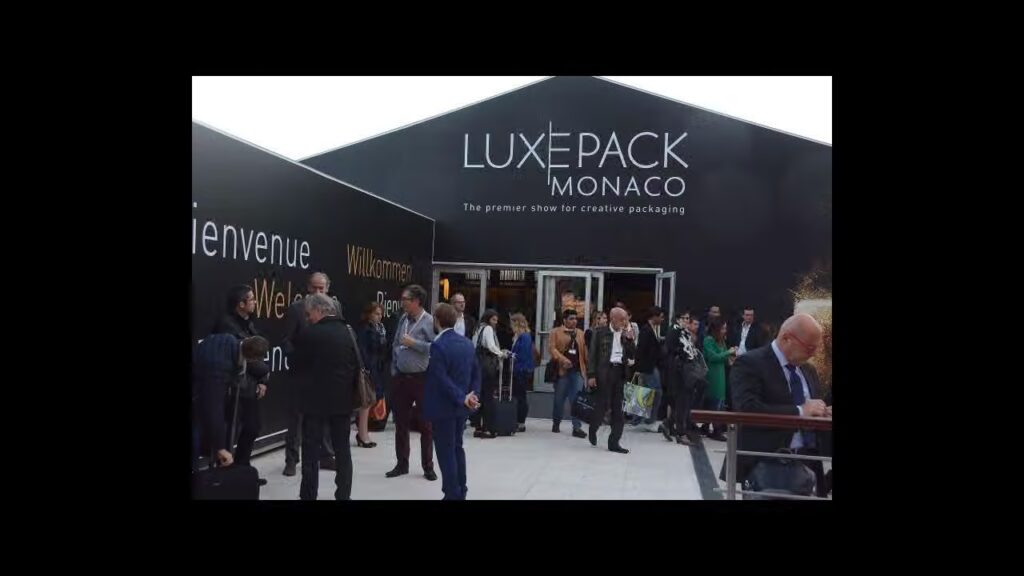
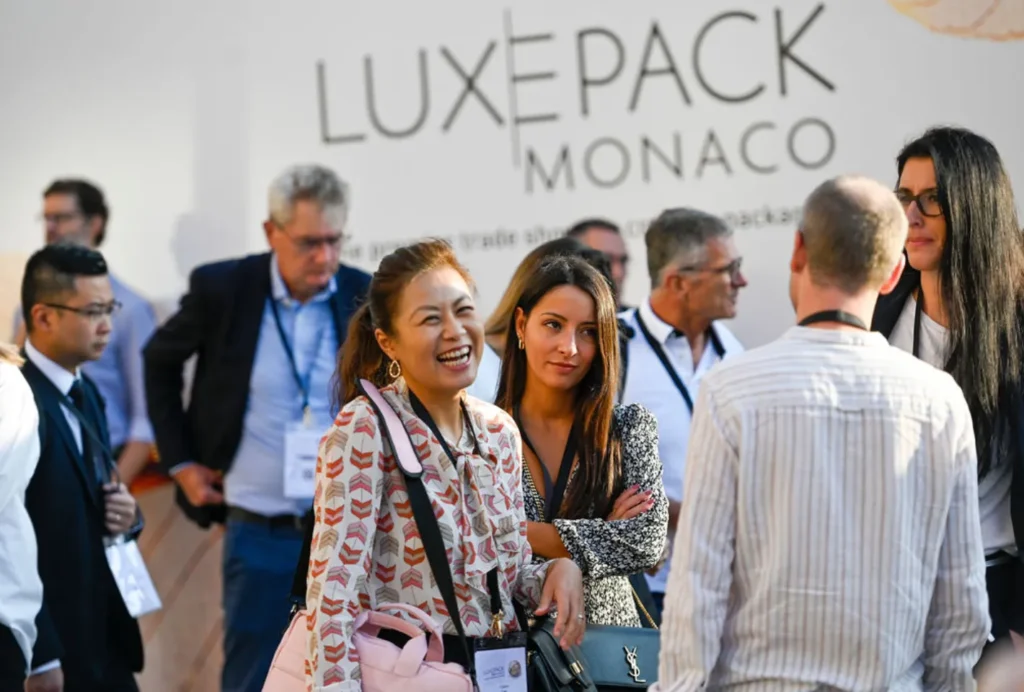
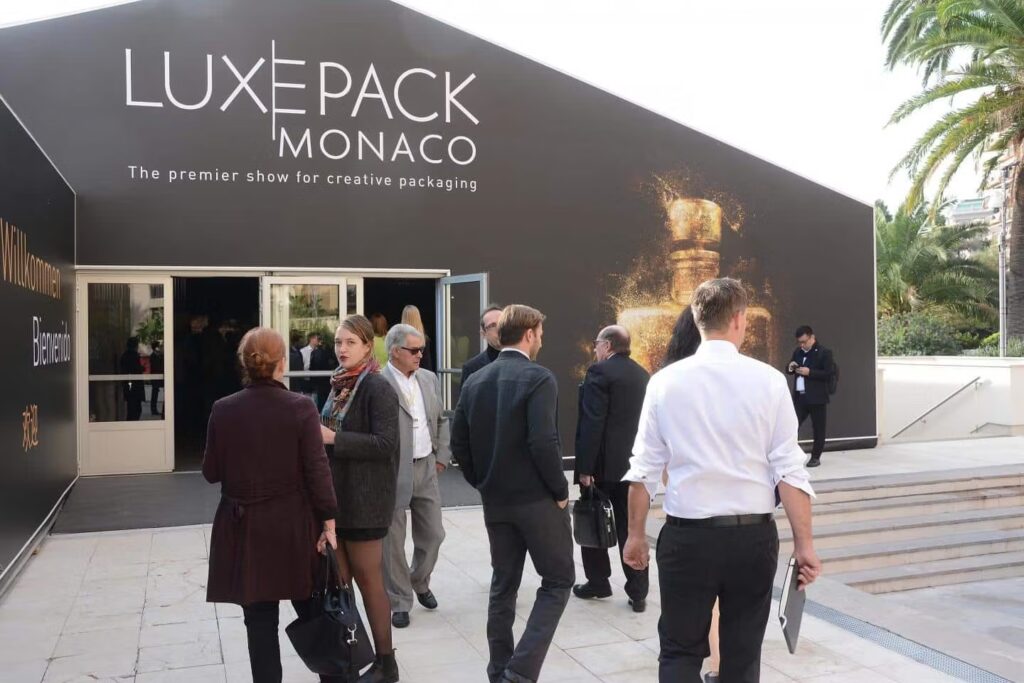
LUXE PACK Monaco 2026 took place from 28 to 30 September at the Grimaldi Forum, bringing together some of the best names in luxury packaging. I went there wearing my chef’s hat — not literally, fortunately — and probably looking at the exhibition from a slightly different angle than most visitors. While many people were thinking about perfume, cosmetics, fashion and premium retail, my first question was much simpler: what could I actually use to package food?
My first impression was very positive. The exhibition looked beautiful, professional and creative. There were impressive materials, clever engineering, elegant bottles, boxes, papers and, yes, a lot of bags. Beautiful bags. Very beautiful bags. Bags that probably deserved their own security guard. But after walking through the stands for a while, I began to notice something: from a chef’s point of view, there was surprisingly little packaging designed specifically for prepared food, catering, takeaway or hospitality.
That does not mean food and drinks were absent. Drinks, in particular, were well represented. Bormioli Luigi, for example, works in premium glass packaging and has a strong presence in the spirits sector. GCA Spirits also specialises in premium and custom glass bottles for products such as gin, rum, whisky, tequila, wine and Champagne. For anyone working with beverages, these companies show how much the bottle itself can become part of the identity of the product.
Closures were another interesting area. Companies such as Créalis, Amorim Top Series and Diam Bouchage demonstrate how much technology can be hidden inside something as apparently simple as a cork or bottle closure. Créalis works across wine, sparkling wine, spirits, beer, olive oil and vinegar, while the 2026 exhibition also presented some interesting developments around sustainability and alternative materials. Diam Bouchage, for example, showed its Element ReCap concept using by-products from wine and spirits production, including cork granules, oak barrel wood and agave fibres.
There was plenty happening around paper and secondary packaging as well. Fedrigoni is an obvious name here, with its speciality papers, premium packaging materials and labels. DS Smith works much more broadly across consumer goods, e-commerce and industrial packaging, including solutions intended to replace plastics. These are not necessarily “chef companies”, but they are very relevant to hospitality because luxury food packaging is never only about the container touching the food. Sleeves, labels, presentation boxes, dividers and external packaging all shape how a customer receives the product.
And this is where the exhibition started becoming interesting for me in a different way. Instead of only asking, “Where are the food boxes?”, I began asking, “What should a good food box actually be?”
In a professional kitchen, packaging is often treated as the final practical step. The chef cooks, plates, portions, checks the sauce and then somebody finds a container. But today, especially with delivery, private catering, luxury picnics, yacht service and premium takeaway, the container is becoming part of the service itself. If I spend hours preparing cured salmon, portioning it precisely and keeping sauces separate so that texture and appearance remain correct, the packaging should support that same level of care. Our own Online-Chef gravlax material, for example, stresses controlled chilling, neat portioning, protection from heat, air and moisture and keeping accompaniments separate — exactly the kind of operational detail that packaging has to support. CHE-SIG-054F ULTIMATE GRAVLAX S…
What I struggled to find at LUXE PACK was a strong selection of ready-to-use solutions for this everyday hospitality reality: elegant containers for canapés, pastries, sushi, sandwiches, salads and hot dishes; clever inserts preventing movement during transport; grease-resistant packaging that still feels premium; cold and hot food solutions; reusable systems for luxury catering; drinks carriers that do not look like something borrowed from a fast-food restaurant.
To be fair, this is called LUXE PACK, not “Chef Looking for a Lunch Box Monaco”. The exhibition has traditionally been strongly connected to beauty, fragrance, fashion, wines and spirits. And within that world, it does its job extremely well. The official 2026 exhibitor list included names such as Albéa, All4Labels, Amcor, Bormioli Luigi, Fedrigoni, Créalis and DS Smith, among many others. The organisers also put significant emphasis on new materials, refill systems and reusable packaging.
Sustainability was probably one of the most interesting themes. The exhibition’s Learning Expeditions highlighted companies exploring new materials as well as refill and reuse systems. This included names such as All4Labels, Fedrigoni, Krillmat and Woamy in the materials category, and Albéa, Coverpla, Knoll Packaging and Techniplast among refill and reuse solutions.
For hospitality, I think this conversation needs to go further than simply replacing plastic with paper. Sometimes the best packaging is the packaging we do not use at all. Sometimes it is something reusable. Sometimes a stronger container that can be returned and used twenty times makes more sense than a beautiful disposable box. As chefs, we are used to thinking about ingredients, yield, waste and food cost. Packaging should become part of the same calculation.
Health is not only about calories on a label. It is also about food quality, storage, portioning, freshness, processing, how ingredients are treated and how practical everyday systems influence the choices people make. Fruits and vegetables, for example, contribute water, fibre, vitamins, minerals and many bioactive compounds to the diet, and broader nutritional quality is closely connected to lifestyle and long-term health. Chapter5-NutritionalQualityofFr…
Packaging belongs in that conversation too. A package can protect food and extend shelf life, but it can also create unnecessary waste. It can make healthy food easier to transport and consume, or make portion sizes unnecessarily large. It can preserve quality, or destroy texture through condensation. The subject becomes much more interesting once food, packaging, sustainability and health are considered together.
This is also very much in the spirit of Online-Chef. The project has always been based on connecting practical kitchen experience with clearer systems and digital thinking. ONLINE‑CHEF · BRAND IDENTITY BL… A menu itself is not simply a graphic document; it connects the kitchen, suppliers, service, market and financial reality. Packaging should be viewed the same way. CHE-GUI-006C MENU ENGINEERING B…
So, did I find the perfect luxury food container at LUXE PACK Monaco 2026? Not really.
But I found beautiful materials, excellent glass, clever closures, serious work around sustainability and plenty of ideas worth bringing back into the hospitality world. More importantly, the visit left me with a question: why shouldn’t packaging for a beautifully prepared meal receive the same design attention as packaging for a luxury perfume?
Perhaps that is the opportunity. Chefs understand temperature, texture, transport, portioning and service. Packaging specialists understand materials, engineering, branding and production. Put those two worlds together earlier in the design process and something genuinely interesting could happen.
I went to LUXE PACK looking for food boxes. I found mostly beautiful bags, extraordinary bottles and some seriously clever corks. But I also came home thinking differently about the moment between the kitchen and the guest.
And for a chef, that is probably a pretty successful day at a packaging exhibition.
– Jan Z. · Online-Chef
From the pass to the pixel · and apparently now with a suspicious interest in boxes.