

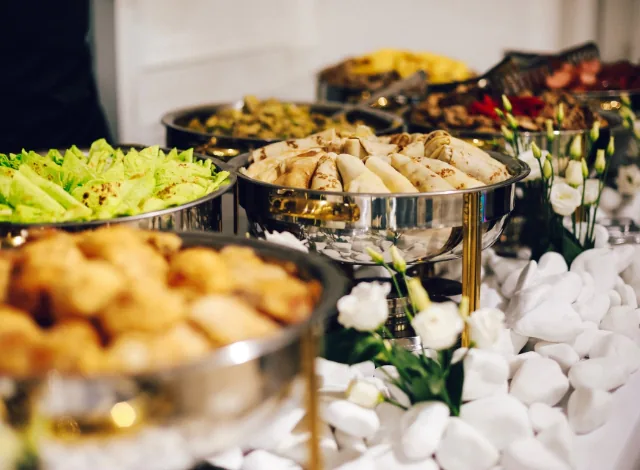

A restaurant menu often grows one reasonable decision at a time. A regular customer asks for a particular dish. The chef has an idea for a weekend special. Someone suggests adding a lighter option, another pasta or a second fish dish. Each addition seems harmless, and some become genuine favourites. Others remain on the menu long after anyone remembers why they were introduced. Eventually, the kitchen is preparing for a much wider range of orders than it regularly receives.
For an owner, offering plenty of choice can feel reassuring. Nobody wants a guest to leave because there was nothing suitable to eat. But every extra dish makes a promise: the ingredients will be available, the team will know how to prepare it, and the kitchen will deliver it to the same standard as everything else. Keeping those promises costs money. A smaller restaurant menu can improve profitability when it concentrates demand around dishes the business can purchase, prepare and serve well.
The opportunity lies in understanding what each dish asks of the operation. One additional item might need a separate sauce, a specialist ingredient, another container in the fridge and a preparation task before every service. If it sells regularly at a worthwhile margin, that work may be justified. If it sells twice a week, the kitchen still carries much of the preparation and purchasing burden. The number printed beside the dish tells only part of its story.
The Cost of Keeping Everything Available
Consider a dish that requires a perishable ingredient used nowhere else on the menu. The supplier sells it in a minimum pack size, but customer demand is unpredictable. The kitchen can buy less and risk running out, or buy enough to cover a busy service and risk throwing some away. Neither problem is visible in the recipe’s theoretical portion cost. The issue emerges through actual purchasing, stock movements and waste.
That is why food cost control starts before the invoice arrives. Menu design influences which ingredients enter the kitchen, how quickly they move and how many opportunities the team has to use them. Reducing slow-moving dishes can make purchasing more predictable, although a short menu still needs sensible ordering, portion control and production planning. Removing dishes without changing those habits will achieve very little.
A broad menu can work perfectly well in a restaurant with sufficient demand, storage, equipment and skilled staff. Equally, a twelve-item menu can be expensive and awkward if every dish requires different ingredients and a separate preparation process. The useful question is how much work and stock the menu creates relative to the sales it generates. Counting dishes is a starting point; understanding their demands is where the business decisions begin.
Give Ingredients More Than One Job
Ingredient sharing is one of the most practical ways to create variety while keeping the kitchen manageable. Roasted vegetables might appear in a breakfast dish, a lunch bowl and a sandwich. Yogurt could be served at breakfast, used in a savoury dressing and incorporated into a dessert. Fresh herbs might support several recipes, with different preparations giving each dish its own character.
The intention is to make purchasing decisions more productive. A product used across several popular dishes has more opportunities to sell before its quality declines. Preparation may also become easier when the team can produce a common component in a planned batch. Those advantages depend on matching quantities to demand; a large batch of a shared ingredient can still become a large amount of waste.
When developing a menu, it helps to map the perishable ingredients against the dishes that use them. Products appearing in only one place deserve a closer look. Some will justify their position because they define the restaurant or support a strong-selling dish. Others may be replaceable with an ingredient already purchased. This simple exercise often reveals opportunities that are difficult to see when reviewing recipes individually.
Design for the Busiest Part of Service
A menu also needs to work when several orders arrive together. Ten dishes may look comfortably manageable on paper, yet cause delays if most require the same grill space, fryer or finishing station. A dish that takes only a few minutes to prepare can still become a bottleneck when the person responsible is handling several other orders at once.
A focused menu gives the team more opportunities to repeat and refine its work. Recipes, portions and presentation become more familiar, and training can concentrate on fewer preparations. That makes consistency easier to manage, provided the kitchen has clear standards and someone checks that they are followed. Familiarity alone will not prevent careless portioning or a poorly organised service.
Before adding a dish, consider what happens when it becomes popular. Can the station handle the extra demand? Can preparation be completed with the available staff? Will the dish slow down orders with a better financial return? These questions matter because a successful item should strengthen the operation. High sales are less useful if delivering them creates overtime, delays or disappointed guests.
Look Beyond Food Cost Percentage
A profitable restaurant menu needs more than attractive food cost percentages. Owners also need to understand how much money a dish contributes and how often customers order it. Traditional menu engineering compares popularity with contribution margin, commonly calculated as selling price minus the ingredient cost of a portion. That contribution still has to help cover labour, occupancy costs and the other expenses of running the restaurant. Research available through eCornell explains this approach.
Take a simple illustrative example, using selling prices excluding VAT. A dish selling for €15 with an ingredient cost of €4.50 has a food cost of 30% and contributes €10.50 before other expenses. Another selling for €11 with an ingredient cost of €2.20 has a lower food cost of 20%, but contributes €8.80. The second dish looks stronger when judged only by percentage. The first leaves more money per sale to cover the rest of the business.
Neither figure is enough to make the decision alone. Preparation time, sales volume, waste, packaging and pressure on equipment can change the picture. A modestly priced dish that sells reliably and is straightforward to produce may be extremely valuable. A dish with a generous theoretical margin may contribute little over the month if hardly anyone orders it. Review comparable dishes together and look at what actually happens through service.
Make Choice Easier to Understand
Guests need enough variety to find something appealing, and the offer needs to reflect the restaurant’s audience. A neighbourhood café serving regular customers throughout the week may need a different balance from a specialist restaurant visited for one signature dish. Dietary requirements, price points and the occasions people visit for all deserve consideration.
It is tempting to argue that fewer options always make customers happier, but research on choice overload is more nuanced: the effect varies with the complexity of the decision and the circumstances in which people choose. A review in the Journal of Consumer Research found substantial variation between studies. For an owner, the practical task is to make the offer understandable. Clear categories, useful descriptions and genuinely different options can help guests choose with confidence.
A shorter menu can also make the restaurant’s identity easier to communicate. Guests begin to understand what the kitchen does particularly well, while staff have a more focused selection to explain. Seasonal changes can keep the offer interesting without allowing it to grow indefinitely. Replacing a dish gives a new idea space; continually adding dishes leaves the kitchen carrying every previous decision.
Reduce the Menu with Evidence
If the existing menu has become difficult to manage, begin with sales records, recipe costs and conversations with the kitchen and service teams. Identify dishes that sell slowly, require unique perishable products or create disproportionate preparation work. Ask why they remain. There may be a good reason: an item could serve an important dietary need, attract a particular group of guests or support sales elsewhere in the meal.
Removing a dish is therefore a decision to test, rather than an automatic response to a weak sales figure. Simplify selected parts of the menu, explain changes to staff and watch what follows. Track waste, purchasing, ticket times, average spend and total contribution over a representative period. Check whether guests choose alternatives, whether the team can work more effectively and whether the expected savings appear in the numbers.
There is no universal number of dishes that makes a restaurant profitable. The right menu fits the concept, the customers and the resources available to serve them. Sometimes it will be surprisingly short; sometimes a broader offer will earn its place. What matters is that every addition has a reason to be there and that the business can see what it contributes. A well-designed menu gives guests something they want to order and gives the kitchen a realistic, repeatable way to deliver it.
Chef Jan · Online-Chef · Food Business