

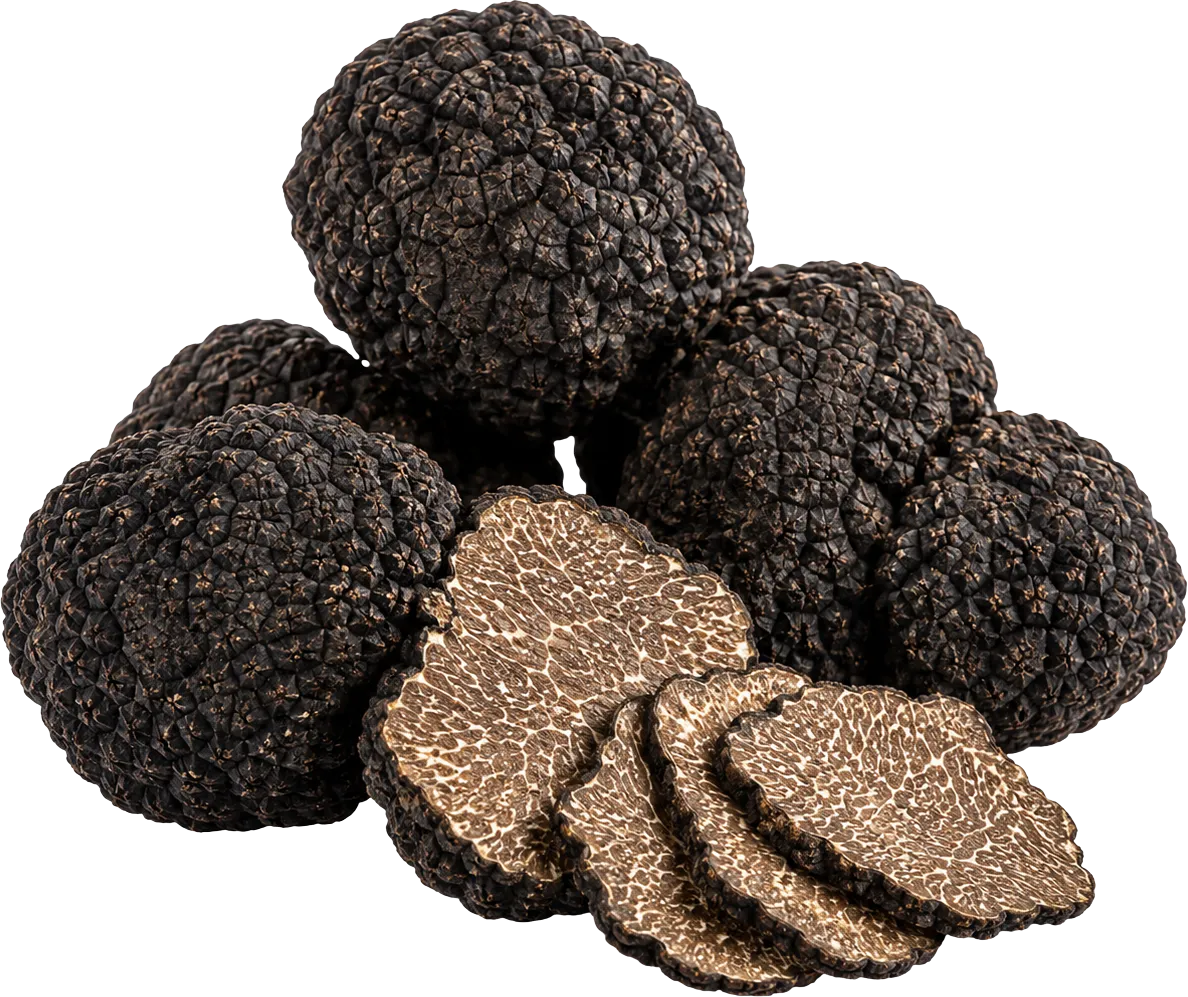
Summer Black Truffle: The Gentle Summer Truffle for Light, Elegant Dishes
Summer black truffle, also known as Tuber aestivum Vittadini or scorzone, is one of the most accessible and useful truffles for summer cooking. It is not as powerful or luxurious as the famous winter black truffle, but that is exactly what makes it interesting for chefs, restaurants, cafés, and food creators.
Its aroma is softer, more delicate, and easier to use in fresh seasonal dishes. Instead of dominating the plate, summer black truffle adds a subtle earthy note, a light mushroom aroma, and a quiet gourmet feeling.
What Is Summer Black Truffle?
Summer black truffle is a black truffle harvested mainly during the warmer months. On the outside, it has a dark, rough skin. Inside, the flesh is much lighter than winter black truffle, often pale beige to light brown, depending on maturity.
It is generally considered a milder truffle. The aroma is pleasant, earthy, slightly nutty, and mushroom-like, but not extremely intense. This makes it a good choice for dishes where you want a refined truffle touch without creating a heavy winter-style plate.
In practice, summer black truffle works best when it is used generously but gently. It should support the dish, not fight with it.
Season · Planing · Supplier Logic
The season for summer black truffles is beginning, and now is the right moment for chefs, restaurants, and food businesses to start planning.
Before the summer menu is fully built, this is the time to look for a reliable truffle supplier, discuss quality, origin, delivery rhythm, and seasonal availability, and secure a practical supply arrangement for the coming months.
Summer black truffle is not the strongest or most luxurious truffle, but it is one of the most useful for warm-season menus. It works beautifully with pasta, risotto, eggs, vegetables, fish, light cream sauces, and seasonal specials.
For restaurants, early planning makes a real difference. A good supplier relationship helps control cost, avoid last-minute sourcing problems, and create truffle dishes that feel seasonal, elegant, and profitable.
Why Plan Summer Truffle Before the Season Is in Full Swing?
Summer black truffle is seasonal, delicate, and variable. Quality, aroma, size, and price can change during the season, and not every delivery will be the same.
For restaurants, early planning helps avoid last-minute decisions. It gives the chef time to test dishes, calculate portion cost, agree on delivery rhythm, train service staff, and decide whether truffle will be used as a main dish identity, a seasonal special, or an optional supplement.
This is where the real value is: not just knowing that summer black truffle exists, but knowing how to use it commercially and professionally.
Flavour Profile
Summer black truffle has a lighter profile than winter black truffle.
It is usually:
earthy mildly mushroom-likes lightly nutty delicateless perfumed than winter truffle easier to combine with fresh summer ingredients
This is not the truffle to use when you want a very strong, deep, dramatic truffle aroma. It is better for elegant plates, simple ingredients, and fresh seasonal menus.
How to Use Summer Black Truffle in the Kitchen
Summer black truffle is best used raw, shaved, grated, or very lightly warmed. Strong heat can quickly reduce its delicate aroma.
It works beautifully with ingredients that carry flavour without overwhelming it:
fresh pasta · risotto · eggs · butter · cream · potatoes · asparagus · zucchini · mushrooms · light cheeses · white fish · chicken · simple salads · warm bread or focaccia
For the best result, the base of the dish should contain some fat: butter, olive oil, cream, egg yolk, cheese, or a delicate sauce. Fat helps carry the truffle aroma and makes the flavour feel more complete.
Chef Logic
Summer truffle is not about power. It is about balance.
A strong winter black truffle can become the main identity of a dish. Summer black truffle works differently. It needs a clean base, good seasoning, and enough quantity to be visible and aromatic.
The dish should be simple enough for the guest to understand the truffle, but not so plain that the truffle has to do all the work.
For example, a summer truffle risotto with white asparagus, light cream, parmesan, and a final shaving of fresh truffle can feel seasonal, elegant, and premium without being too heavy.
Service Value
For restaurants, summer black truffle is interesting because it gives a premium visual and aromatic effect at a more accessible cost than white truffle or winter black truffle.
It can be used to create seasonal specials, limited-time dishes, truffle supplements, tasting-menu upgrades, or luxury add-ons.
The guest sees the truffle being shaved or presented on the plate. This immediately creates value. Even if the aroma is delicate, the visual service moment can make the dish feel special.
What the Server Can Explain
Summer black truffle is a seasonal black truffle with a softer aroma than winter truffle. It is delicate, earthy, slightly nutty, and works very well with light summer dishes.
It is not the strongest truffle, but it is elegant and very pleasant when paired with pasta, risotto, eggs, vegetables, fish, or cream-based dishes.
A simple way to explain it to guests:
“Summer black truffle is lighter and more delicate than winter truffle. It gives the dish a soft earthy aroma and a seasonal gourmet touch, without making it too heavy.”
Menu Ideas
Summer black truffle can be used in many different menu formats:
fresh tagliatelle with summer truffle butter
risotto with white asparagus and summer black truffle
soft scrambled eggs with truffle shavings
burrata with summer truffle and olive oil
warm potato salad with truffle cream
zucchini carpaccio with parmesan and truffle
white fish with light truffle sauce
truffle focaccia with whipped butter
seasonal salad with mushrooms, parmesan, and trufflesimple truffle omelette
Common Mistakes
Using too much heat
Summer black truffle is delicate. If it is cooked too aggressively, the aroma can disappear.Expecting winter truffle intensity
This truffle is softer. It should not be sold or described like winter black truffle.Pairing it with ingredients that are too strong
Garlic, strong vinegar, smoked products, spicy sauces, or heavy meat reductions can easily cover the truffle.Using too little
Because the aroma is mild, the portion needs to be visible and generous enough to make sense.Forgetting the fat
Truffle needs a carrier. Butter, cream, egg yolk, olive oil, cheese, or a gentle sauce helps the aroma feel fuller.
Buying and Cost Logic
Summer black truffle is usually much more affordable than white truffle or winter black truffle. Prices still change depending on season, origin, size, quality, freshness, and availability.
For restaurants, this makes it useful for approachable premium dishes. It can add visual value and a seasonal story without pushing the dish into an extreme luxury price range.
A practical restaurant approach is to use summer black truffle in dishes where the base cost is controlled: pasta, risotto, eggs, potatoes, vegetables, or simple fish plates.
In Practice
Summer black truffle is a good choice when you want a dish to feel seasonal, refined, and market-driven.
It is not the most dramatic truffle, but it is one of the most practical. It allows chefs to create truffle dishes outside the heavy winter season and gives guests a more accessible way to enjoy fresh truffle.
Used correctly, it brings elegance, texture, aroma, and a real service moment to the plate.